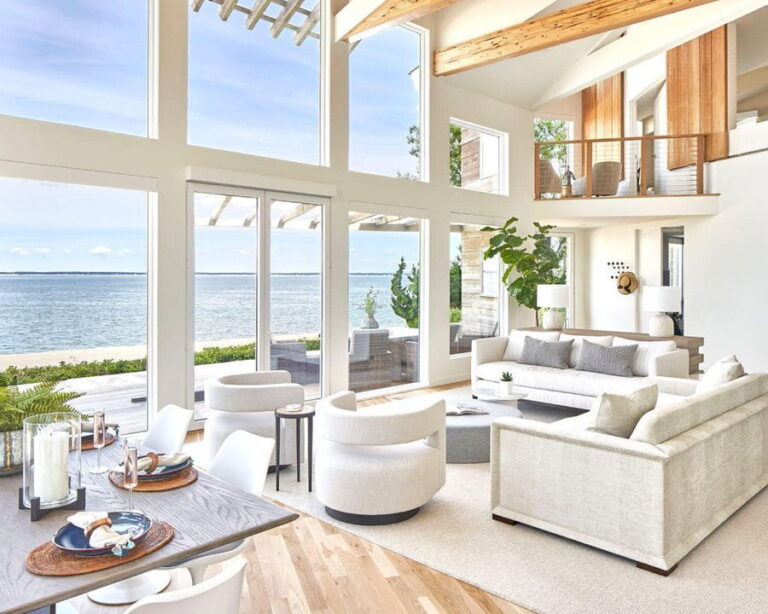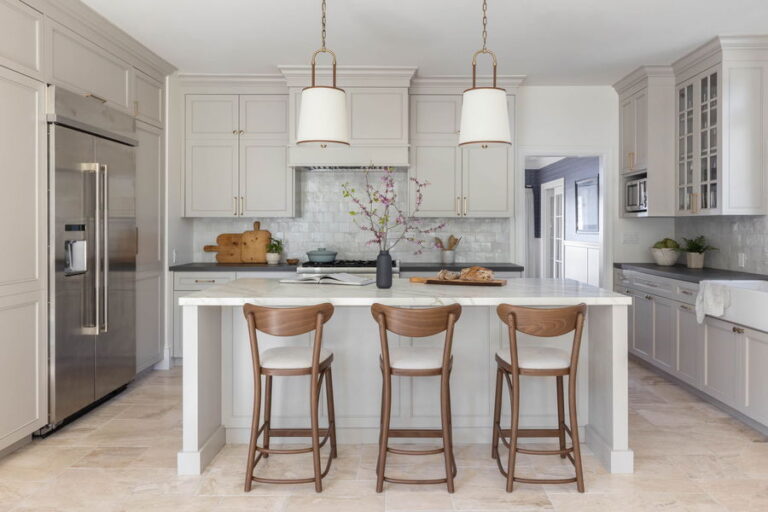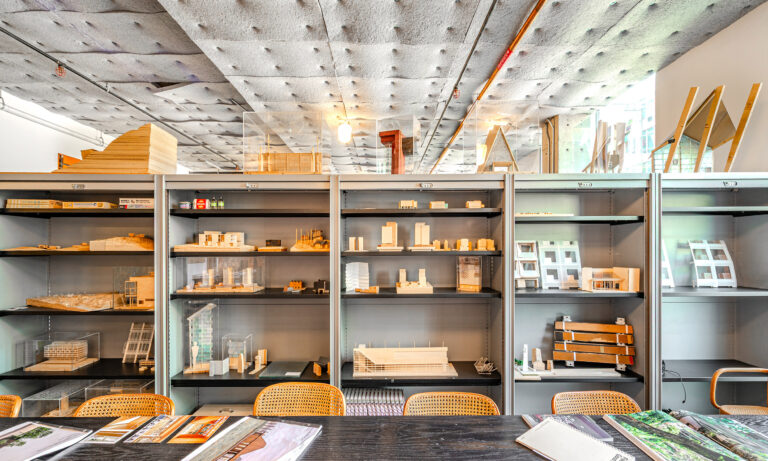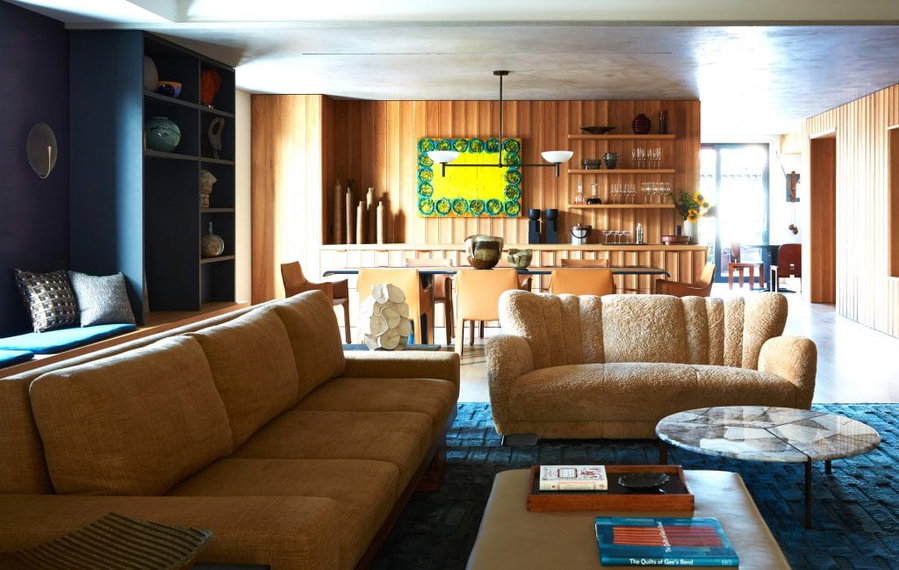
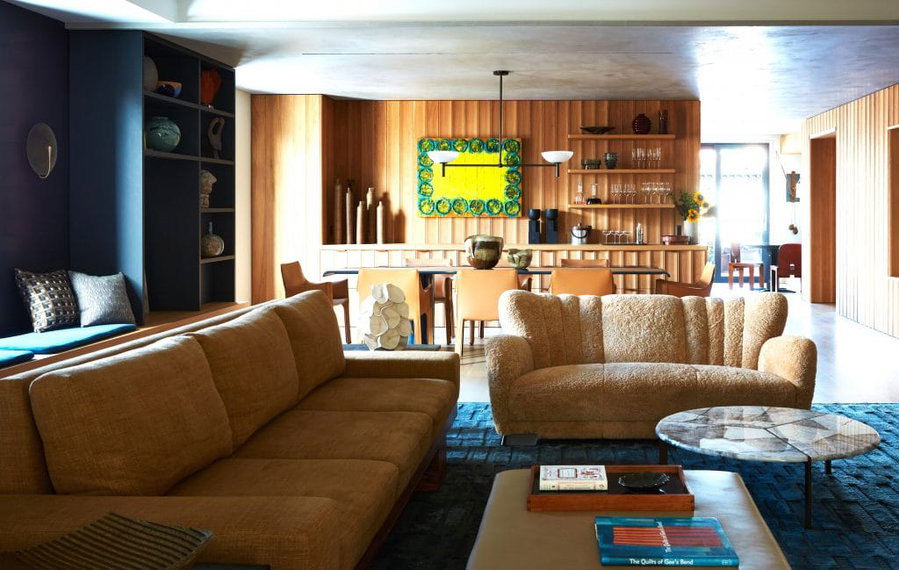
Why does your home look right but feel wrong? You followed the rules, picked a cohesive palette, invested in quality furniture, arranged everything by proportion and scale; that gorgeous living space photographs well and draws compliments. Everything seems fine except that the space feels borrowed, almost like it was staged for someone with your approximate taste and general dimensions. That hollow quality is why personalized interior design matters so much.
The problem here is that the phrase “personalized interior design” shows up everywhere now, usually offering vague advice like “pick things that match your personality.” That’s a piece of it, yes, but it undersells the process. So, let’s see where most rooms really lose their footing between inspiration and daily life, and how to avoid it.
What Personalized Interior Design Actually Means

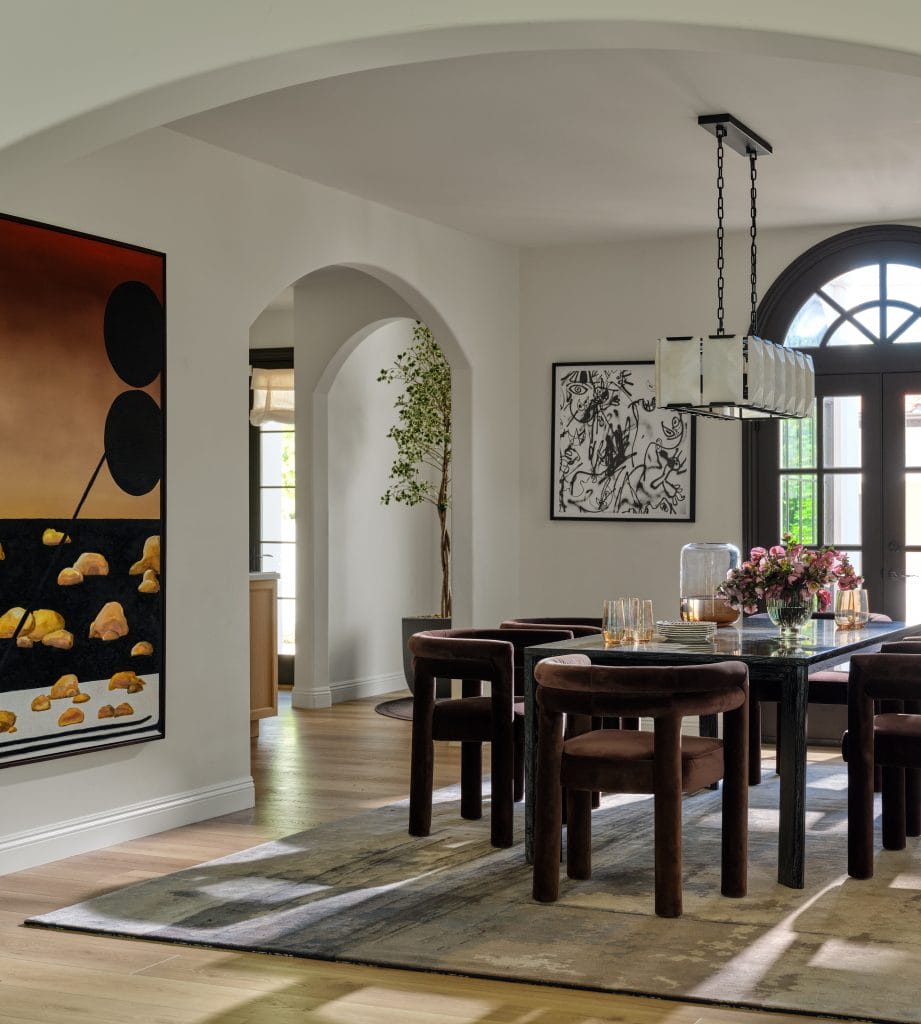
Most rooms get furnished through general logic, like, what coordinates, what the trends support. Those are reasonable starting points, but they produce spaces that could belong to anyone with a similar budget and a similar Pinterest board. That’s what we call “consensus decorating,” and it does pass every visual test. It’s an approach built on safe choices and what has proven to work. Custom interior design works from a different premise. It treats the occupant’s actual habits and material attachments as the starting point, then builds the room outward from there.

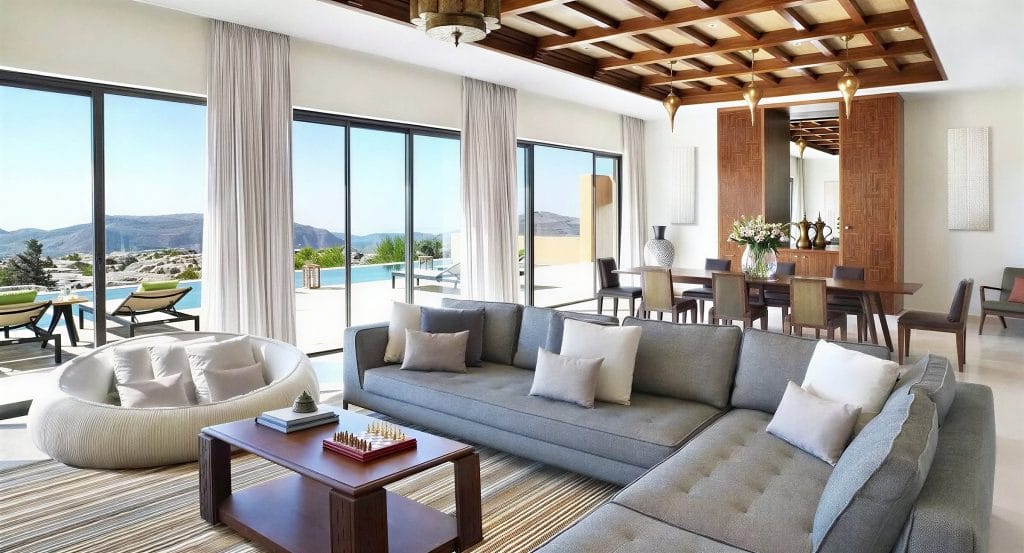
Personalized interior design, done well, starts with observation before it touches a single product catalog. Where do you actually spend time in your home, what is your favorite activity, what you love, what you hate? Do you bake every weekend, or does cooking mean reheating takeout? Those sound like obvious distinctions, but they’re the ones that generic design processes skip entirely. Still, paying attention to that level of detail shows up in ways hard to fake.
What Personalized Interior Design Includes:

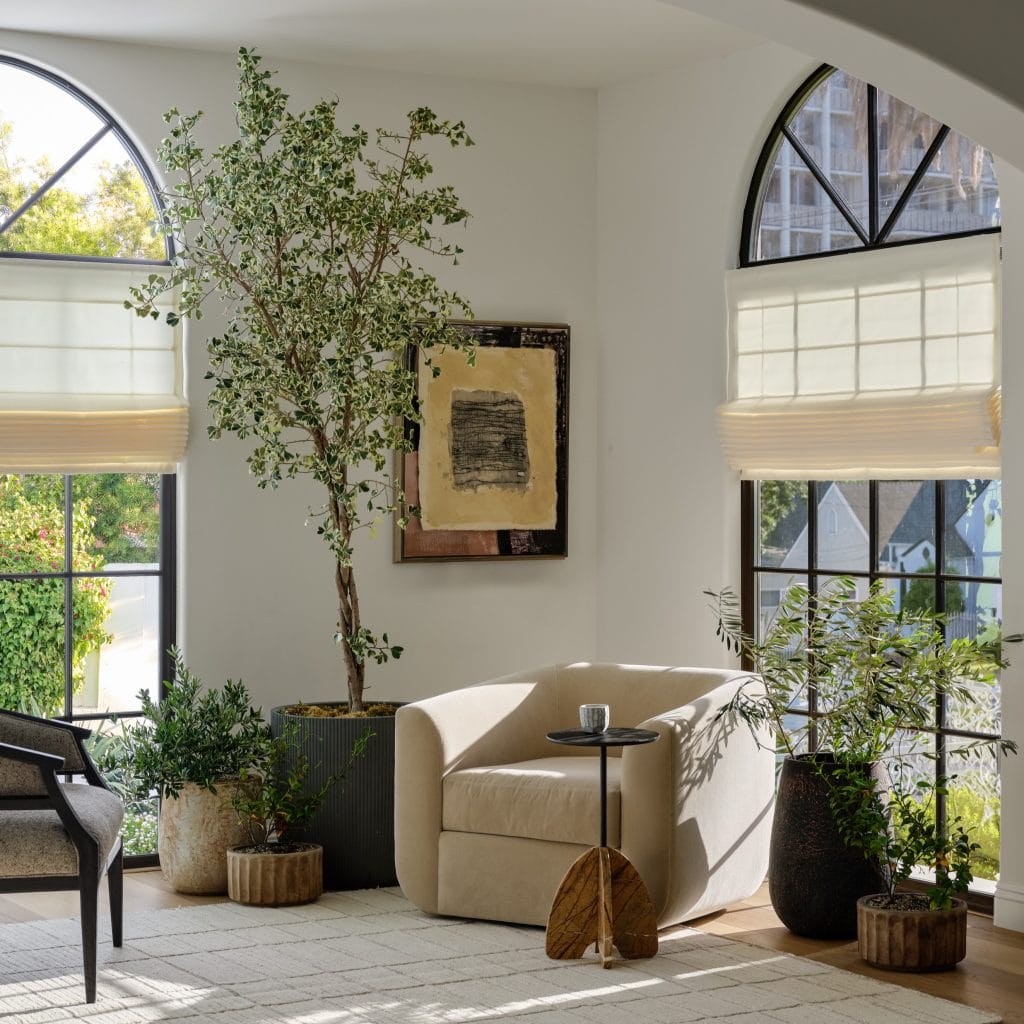
- Bespoke design and layouts shaped by observed daily routines and the actual movement patterns of the household
- Material and finish selections driven by how things feel underfoot and in hand, and how they’ll age
- Furniture chosen around real use, and the physical needs of the people sitting in it
- Tactics that keep the room aligned with how you live now and what you expect to change over time
Pro Tip: Not sure which design style fits your personality and space? Take our Free Interior Design Style Quiz to find out.
The Building Blocks of a Truly Personalized Space
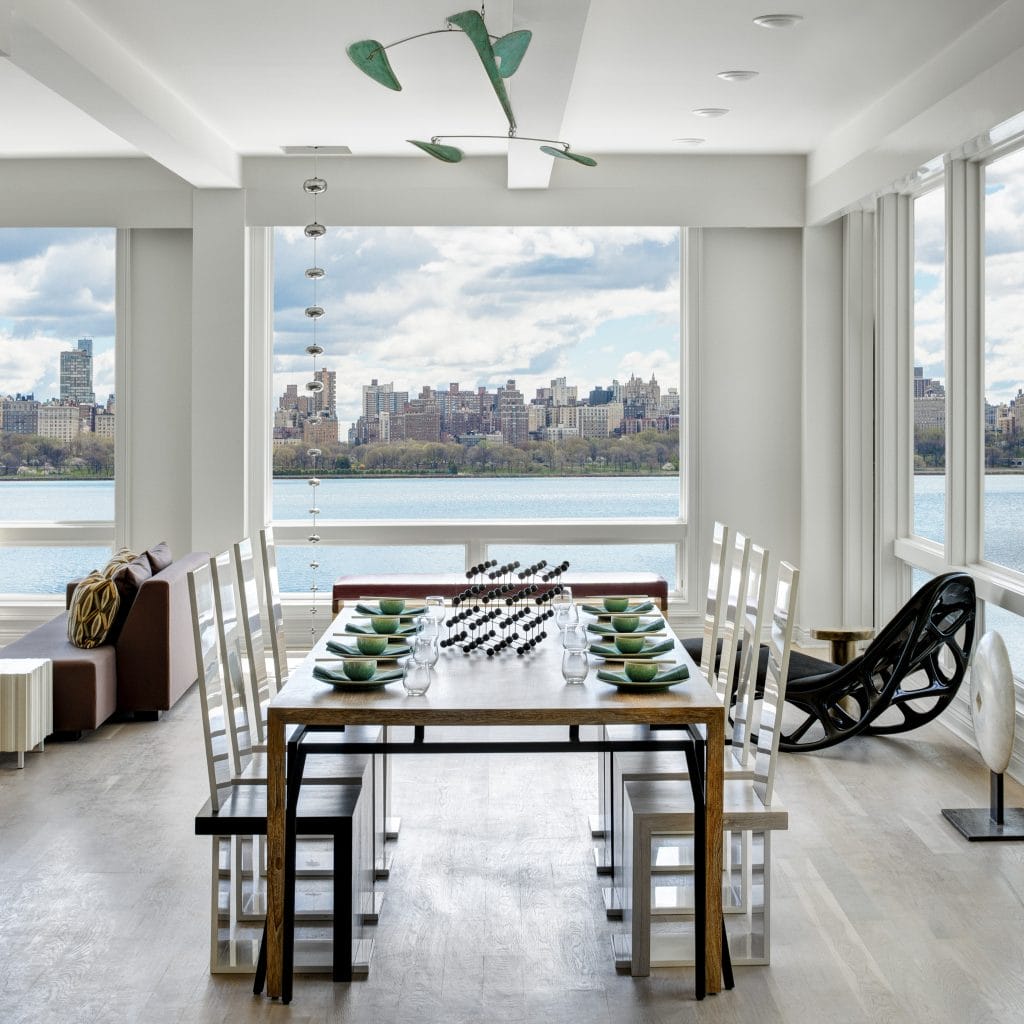
The room is really nice; you just can’t find yourself in it: that feeling has a source, and it’s almost never taste. One or all of the following personalized interior design staples are likely missing from the formula.
Your Lifestyle as a Design Brief

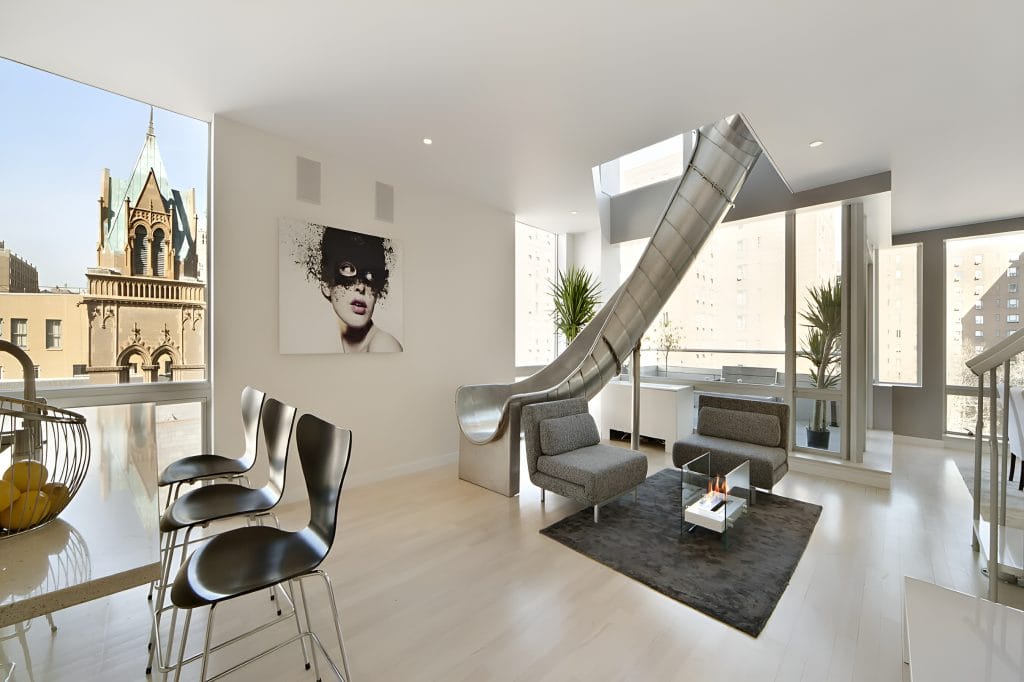
A generic floor plan makes assumptions about how life works inside it. The kitchen connects to the dining room because meals happen at a table. Living rooms are often sized for a couch-and-TV configuration because that’s how evenings “are supposed to go.” For some people, though, reality is more complicated. Busy breakfasts happen standing at the counter, while the dining table serves as a project surface most days. And here we are: personalized interior design treats such patterns as the actual design brief.

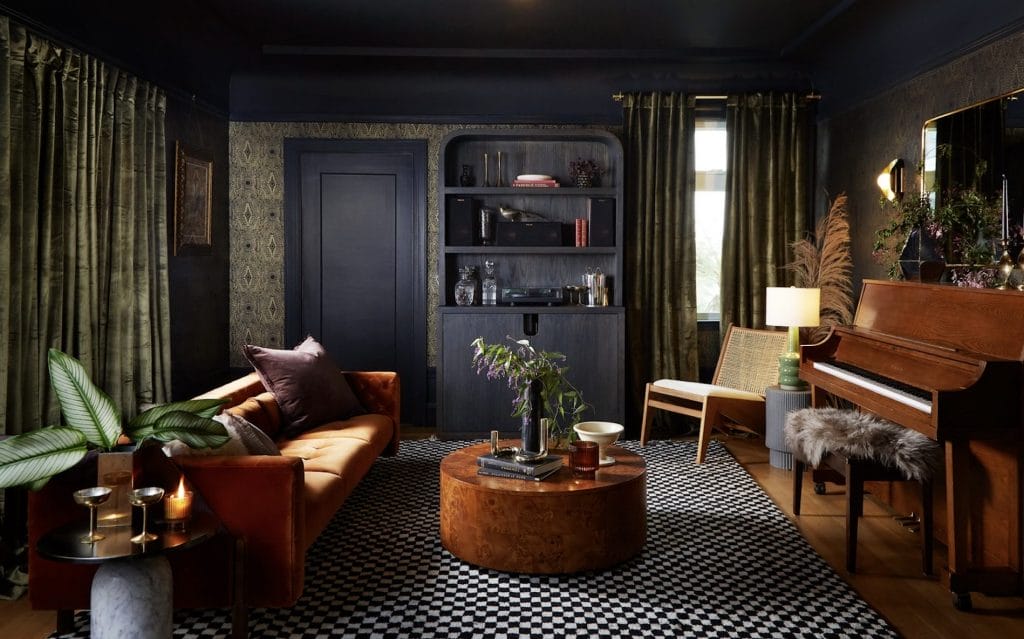
How to figure it out: The way to get at this is almost tediously simple. Spend a full week writing down where in your home you are at different points in the day and what you’re doing there. By Friday, you’ll have a behavioral map of your house, and it will tell you almost everything each room needs to do. Layout decisions anchored in that kind of data will hold for years, decades even.
The Point of Meaningful Objects vs. Decorative Objects
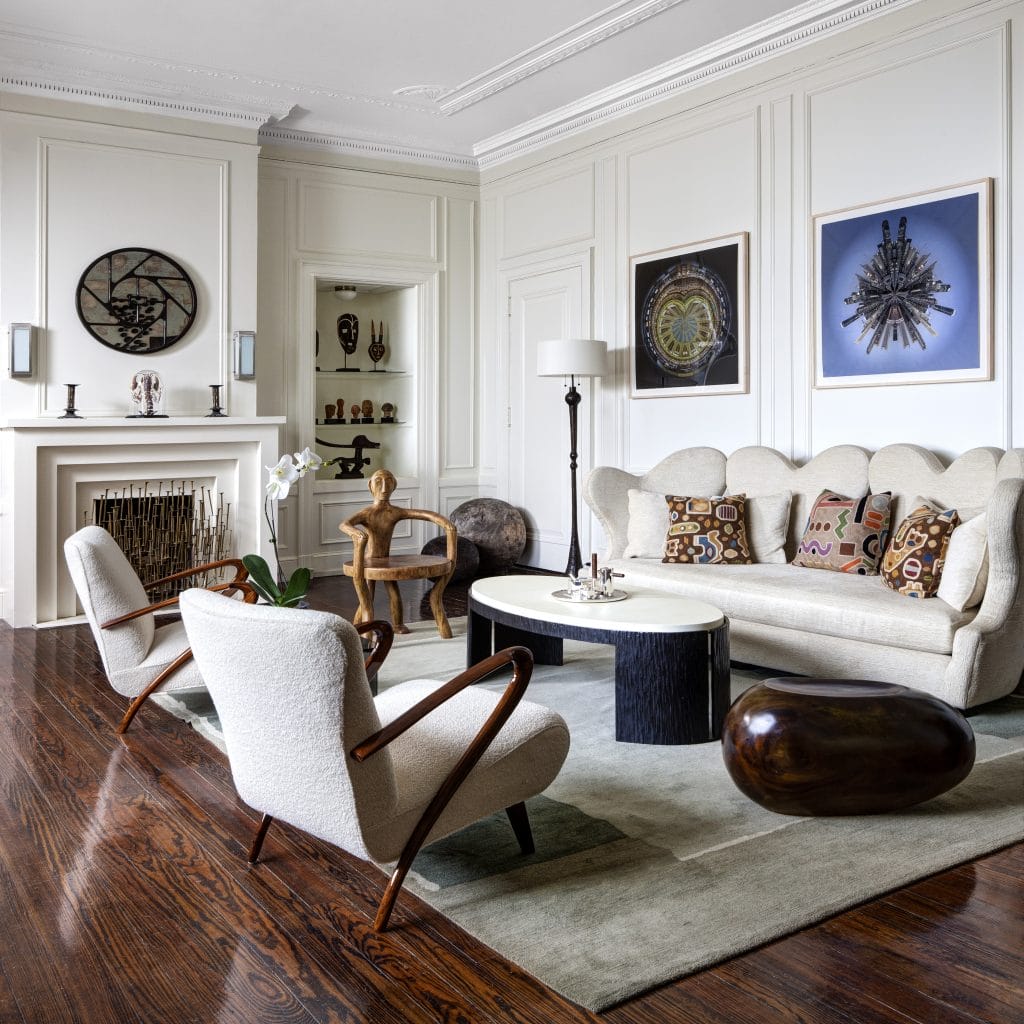
There’s a test for whether an object is earning its place in a room. Pick it up and ask yourself, in one sentence, why it’s there. If the honest answer is “the shelf looked empty” or “it came in a set,” that’s a decorative object. It serves the composition, yes, but has no connection to anyone living there. Compare that with a ceramic bowl your partner found in Oaxaca, or a throw chosen because it makes you feel so good when you use it. Those pieces carry context that makes them worthy.

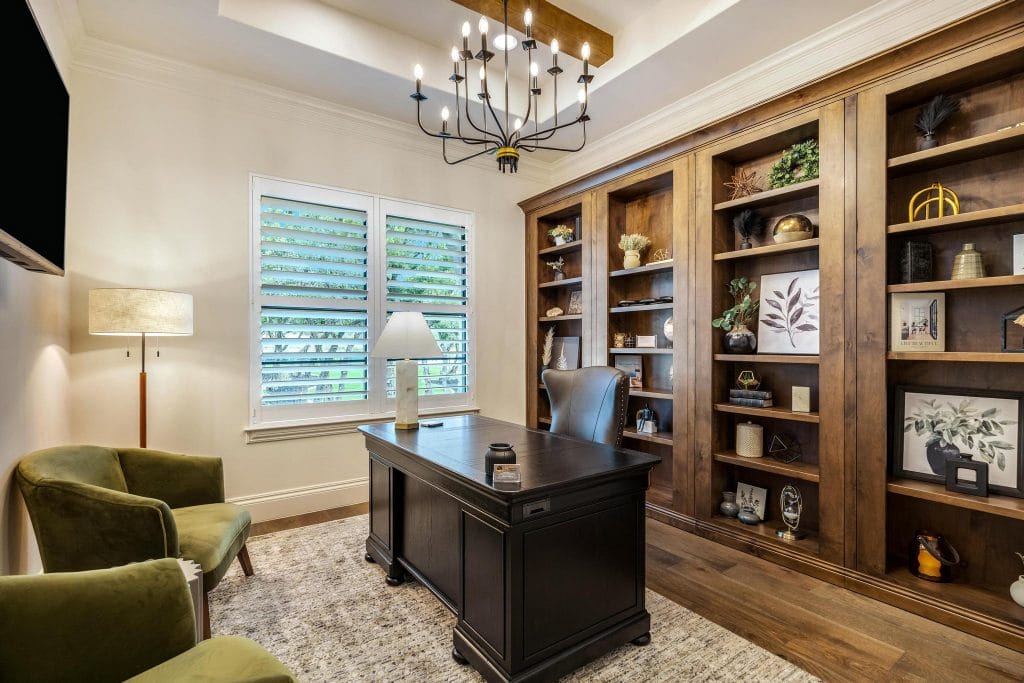
Get into action: Go room by room, pick things up, apply the one-sentence test, and let anything that fails it go. Don’t worry about the empty space left behind; it’s useful, we’ll get back to that.
Color Based on Emotional Response Instead of Trend

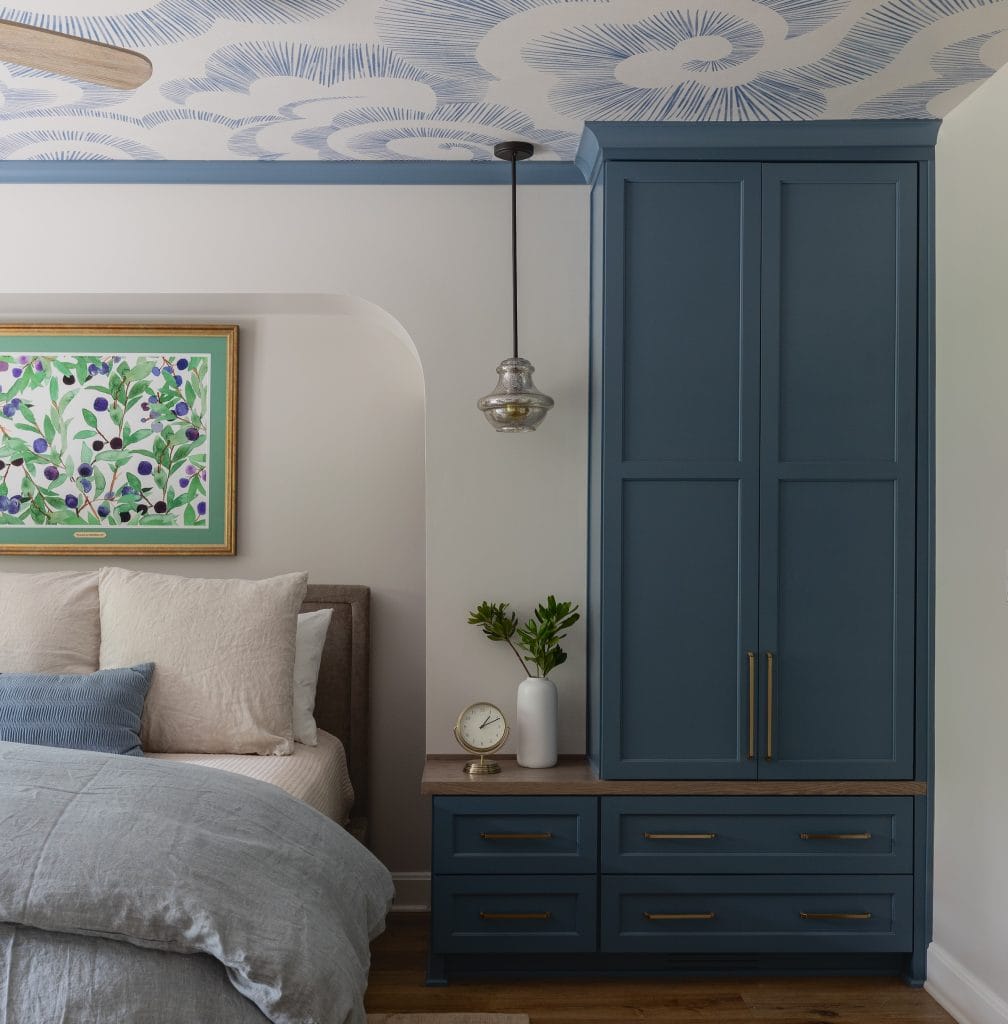
Paint companies release annual color forecasts, which drive an enormous amount of residential painting. The trouble is that a palette designed to sell product this year has a built-in expiration. Rooms painted on that schedule end up feeling slightly dated at a weirdly predictable pace, and that’s fine if you like to refresh your walls frequently.
But color that lasts tends to come from personal experience. Think about the rooms where you’ve felt most physically settled, perhaps a favorite restaurant, or a hotel you remember years later. Is there a dominant tone that stayed with you? If yes, that’s because the response was genuine.
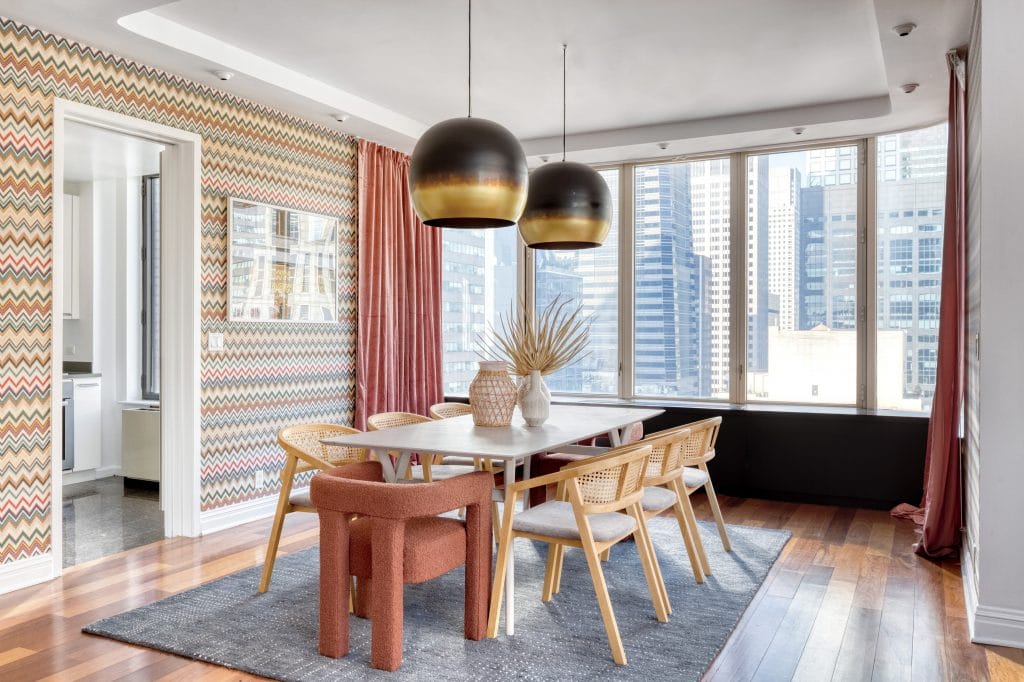
Create your emotional color map: Pull your custom interior design palette from those remembered spaces. The colors in these cases almost always work together. They’re connected by something consistent: how your nervous system responds to certain wavelengths.
The Edit, or Removing as Much as Adding
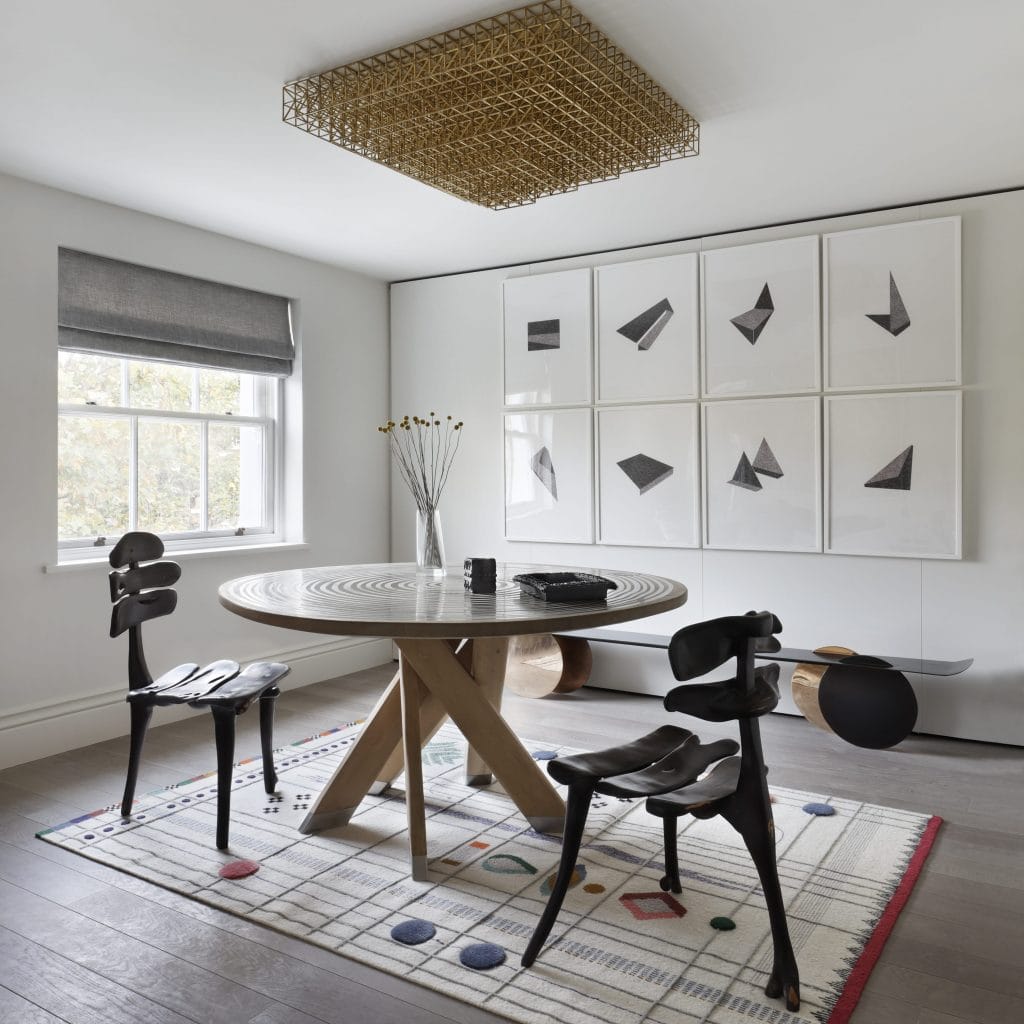
Accumulation is usually so gradual that nobody notices it happening. And individually, each addition makes sense. But over a year or two, things form a layer of visual noise that muffles whatever clarity the space once had. This is the reason custom interior design treats editing as half the job. In many rooms, the subtraction phase does more magic than anything that gets added later.
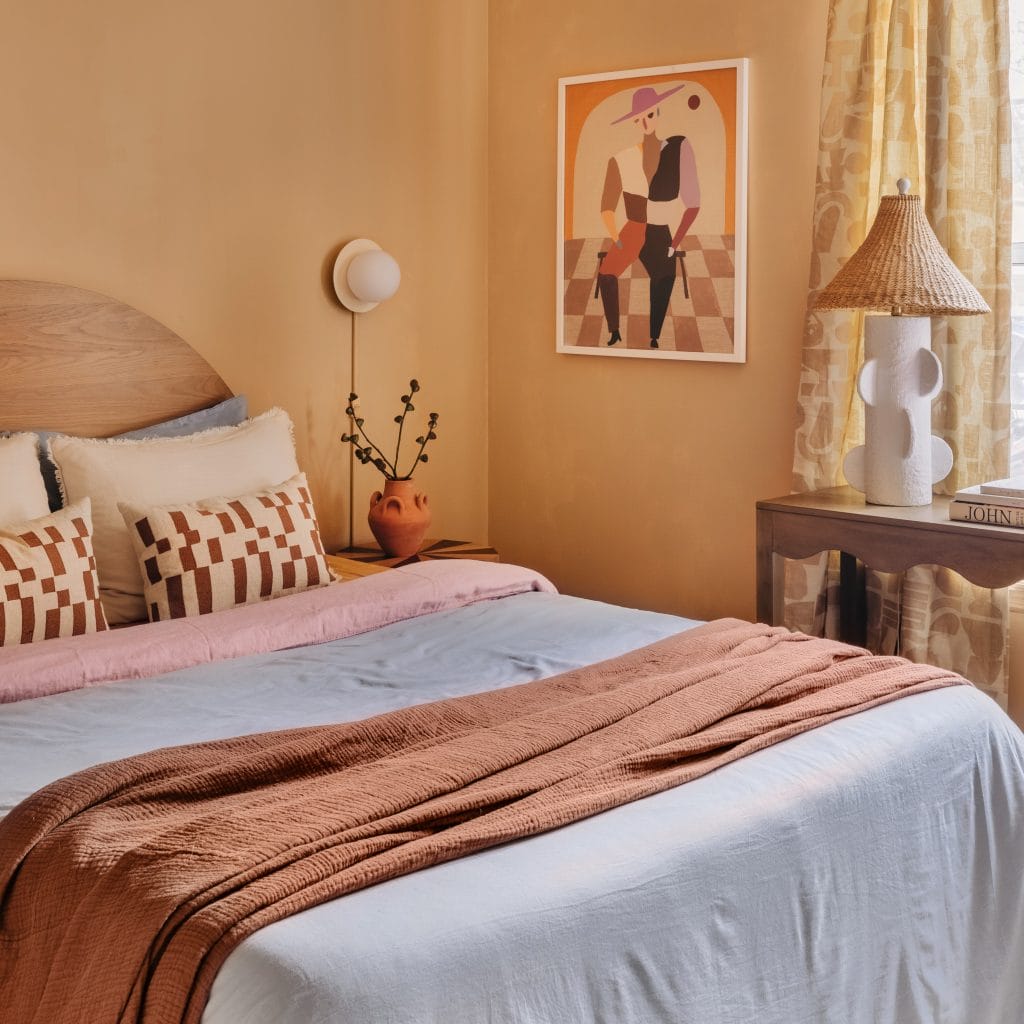
The practical version: Remove five to ten objects from a room and live with the gaps for a full week. Some of those absences will bother you, which means those pieces earned their place and should go back. The rest will feel like relief.
Common Mistakes That Make Spaces Feel Impersonal
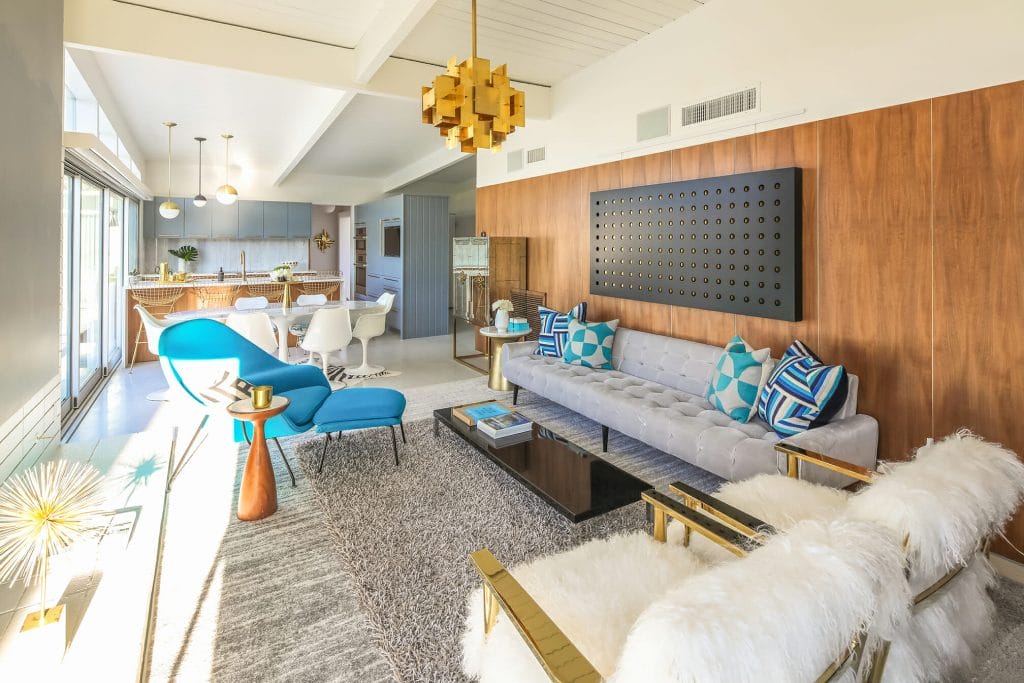
Even well-intentioned rooms can end up feeling like they belong to a slightly more idealized version of the person living in them. These are the patterns most responsible for that gap.
Are You Decorating for Imagined Approval or Your Own Comfort?

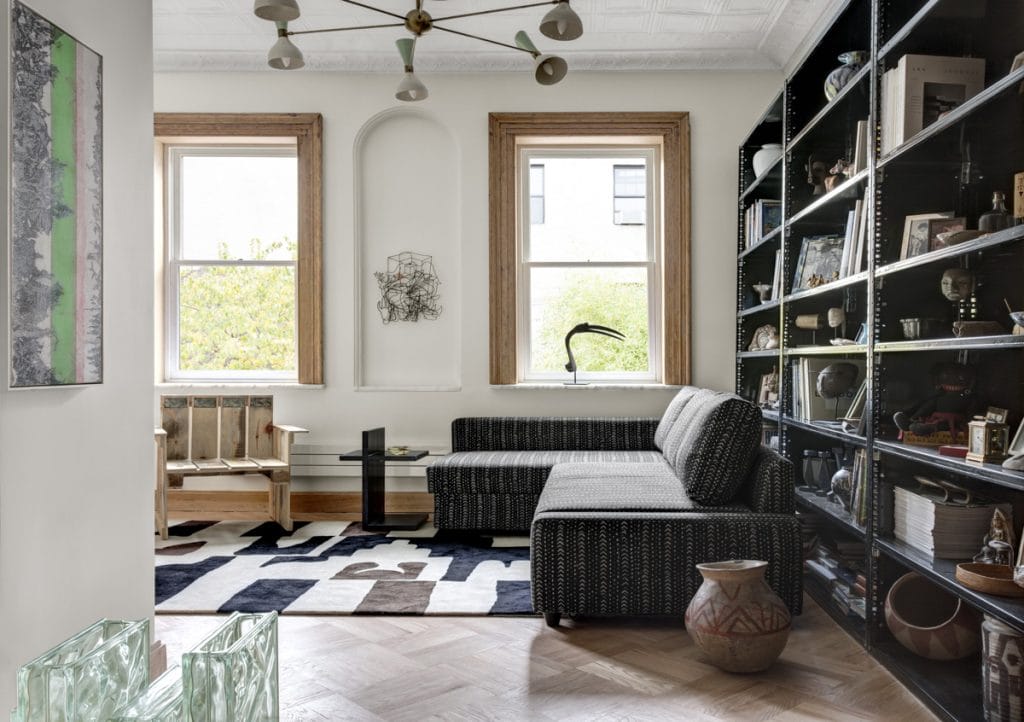
There’s a version of this in almost every home, e.g., a dining room set up for a ten-person dinner party that happens twice a year. Some maintain a living room arranged around a magazine-ready composition, while actual evenings happen in the basement with the TV. The pattern of such room design is consistent: it performs for an audience that rarely shows up.

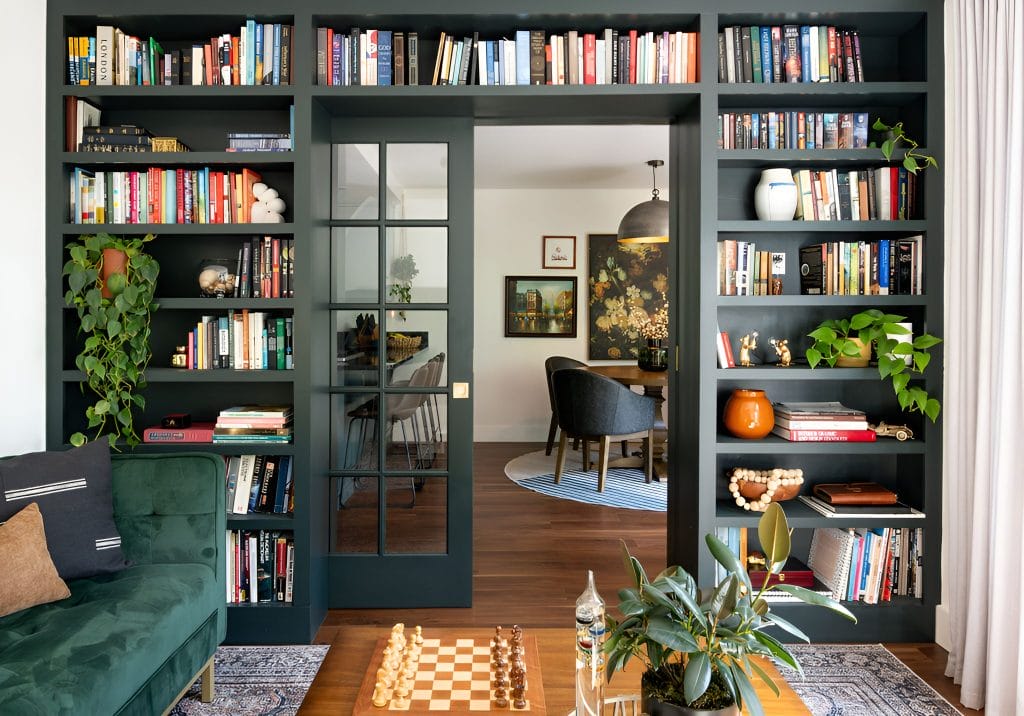
Identify your own patterns: Personalized interior design asks, “What does this room need to do on a completely ordinary day?” – and so should you. The answer is commonly more functional and far less ceremonial than the aspirational version. And way more comfortable too.
Are You Following a Style Too Rigidly?
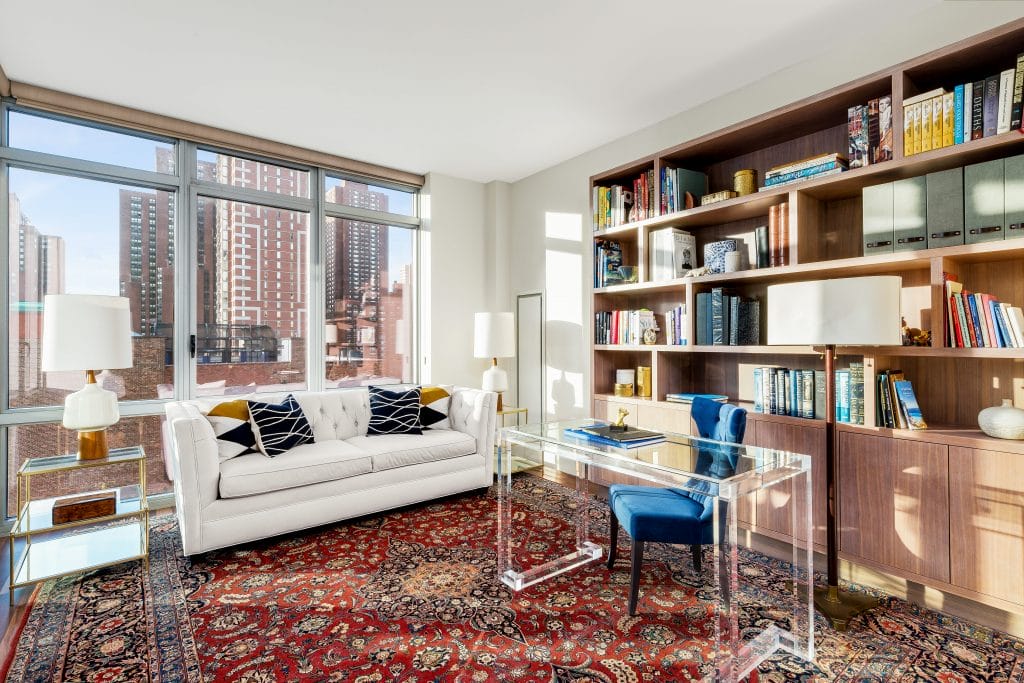
Committing entirely to one aesthetic (think Scandinavian Minimalism, or Modern Farmhouse) turns a home into a demonstration of that style’s catalog. That’s where the label “looks like a showroom” comes from, because the setups often resemble more a mood board made physical than a place someone lives. The deeper problem here, however, is practical: every new purchase has to pass a style test, until functional needs start losing to visual consistency. If you ever picked a lamp because it fits even if it doesn’t illuminate the desk perfectly, you know what we are talking about.
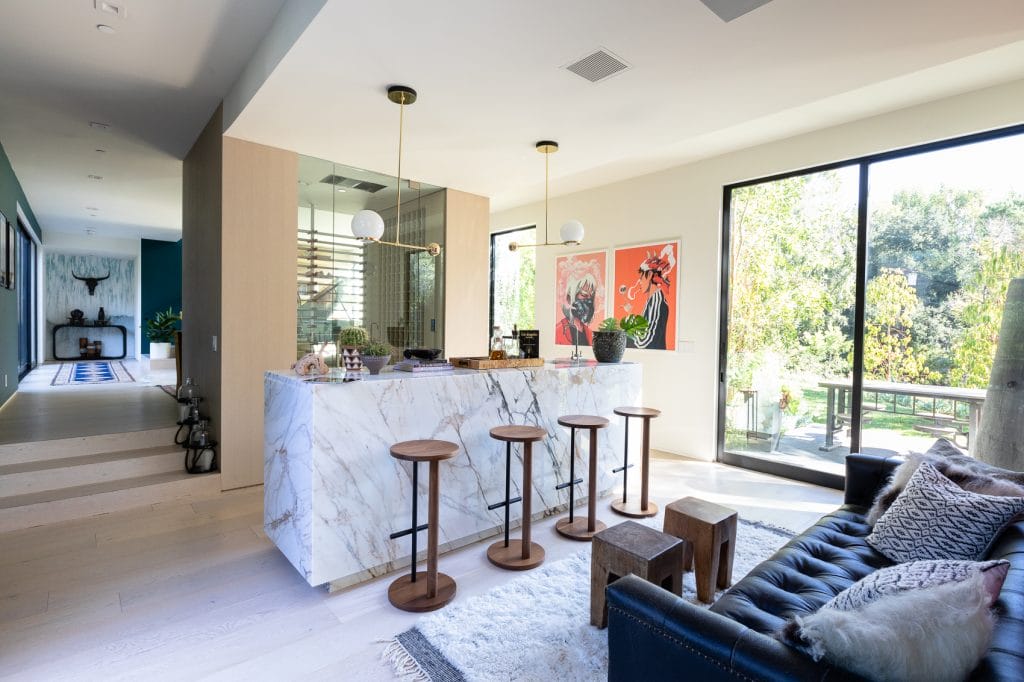
How to diversify: Styles serve better as starting vocabularies than as rules. Your mid-century room can also hold an inherited Persian rug and a reading chair from a completely different era, and still look fabulously designed.
Are You Buying Collections or Meaningful Individual Pieces?
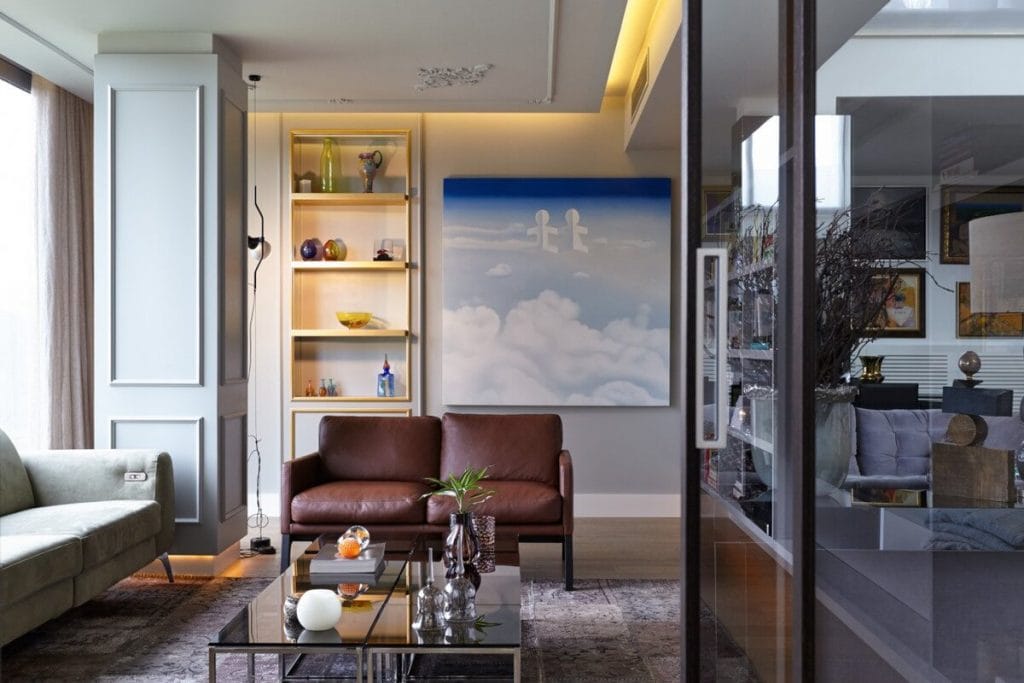
Furniture collections exist to simplify decisions, and they do that job well. When everything matches, the room comes together fast and looks unified. But the design cost is again that “showroom look.” Every surface speaks the same material vocabulary, and there’s nowhere for the eye to catch on something unexpected.
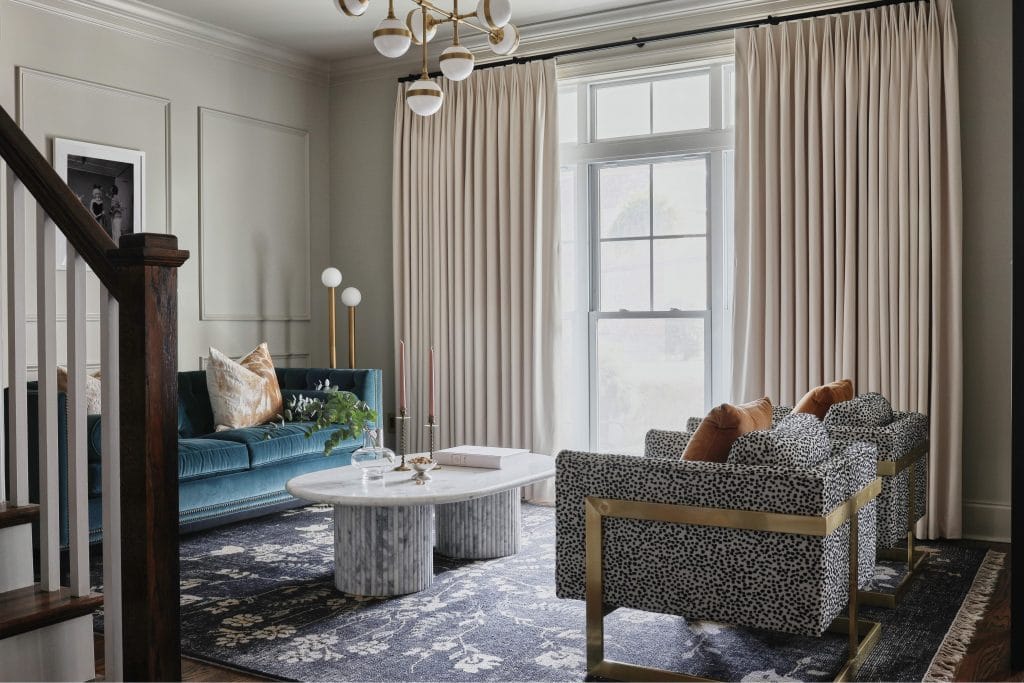
How to personalize: The layering reads as life, or to use a more popular phrase, “lived-in.” Assemble rooms one-two pieces at a time, over months or years, if possible. Keep your favorite items when remodeling, and use a pro designer to develop a layered quality that coordinated sets never produce.
When It Makes Sense to Work With a Designer

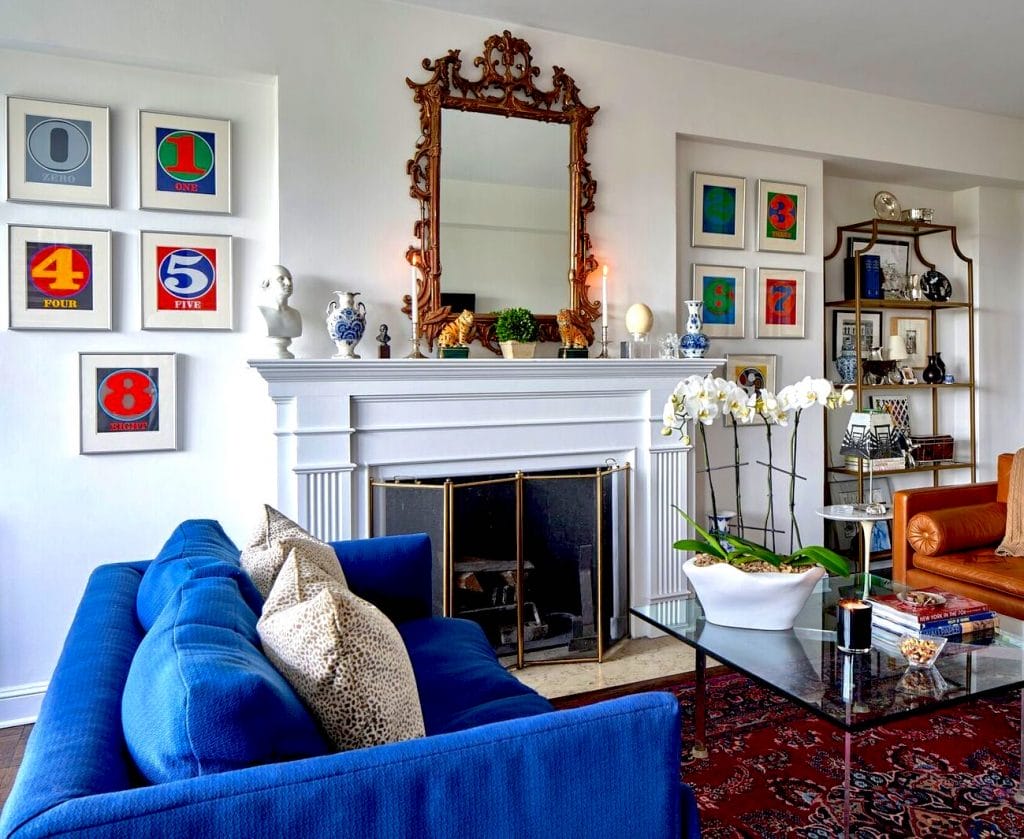
There’s a specific moment where most personalized interior design projects get stuck, and it’s usually the same one. You may have hundreds of saved images and a clear sense of which materials appeal to you or how you want the room to look. And then you try to convert all of that into an actual spatial plan, with real products, real dimensions, a layout that works, and a material palette that coheres. That translation is a separate skill from having good taste, and it’s where a designer changes the outcome.
This is also where the in-person requirement of traditional design becomes unnecessary; the translation work happens through documentation, measurement, and 3D visualization, not site visits.
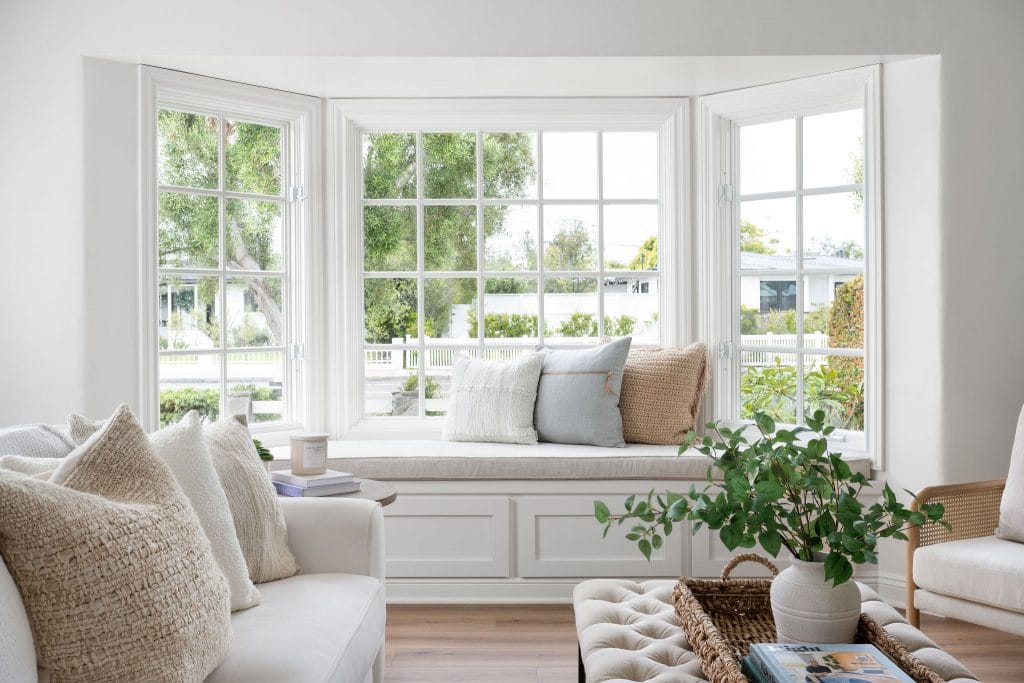
A designer trained in custom interior design brings spatial and material fluency to the table. One look at a floor plan and they realize that the sofa position you’re imagining will create a traffic problem in the winter. They also know if a fabric that looks perfect as a swatch will read completely differently across a nine-foot sectional.

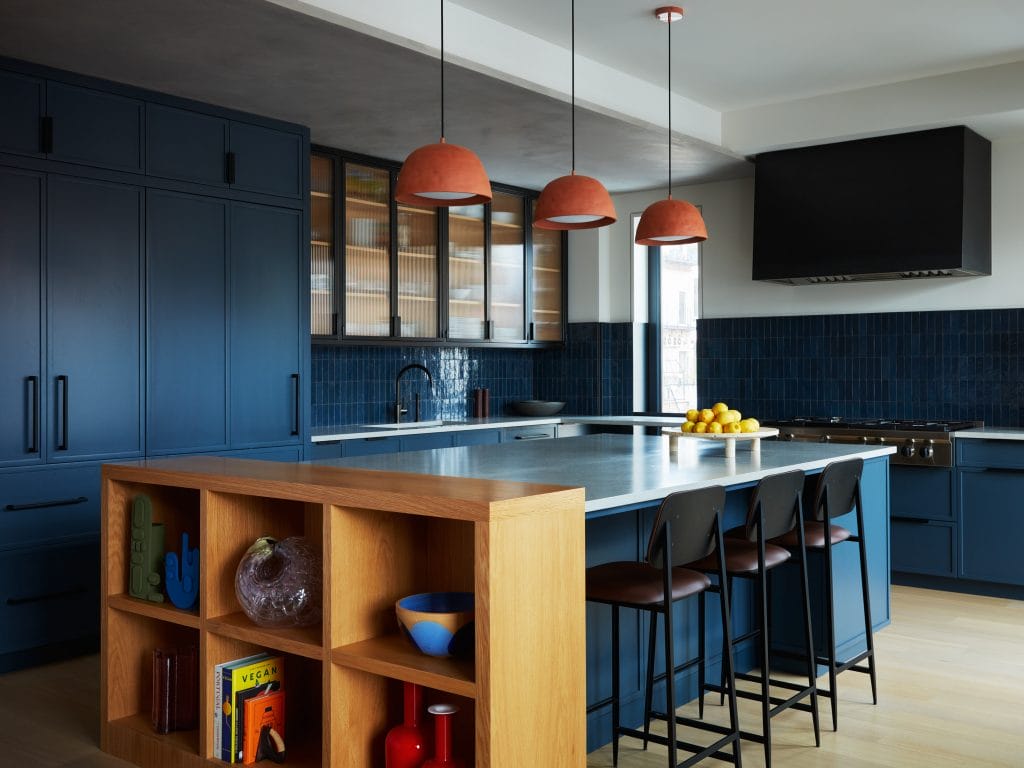
Decorilla offers an online process built around exactly this kind of translation. You begin with a questionnaire about how you actually live and what’s frustrating about the current setup. From there, two designers each develop a distinct concept from those answers, giving you a genuine choice rather than a single interpretation of your brief. That choice matters more than it might seem: seeing two different spatial and material directions side by side is often what clarifies which one actually reflects how you live, rather than how you imagined you might.
The concept you choose is then developed into a full plan with product sourcing and 3D visualization, so you see the space before committing to anything. The entry point is practical: you’re hiring someone to close the distance between what you can picture and what you can execute. Ready to see what that looks like for your space? Start here.
Custom Interior Design FAQ
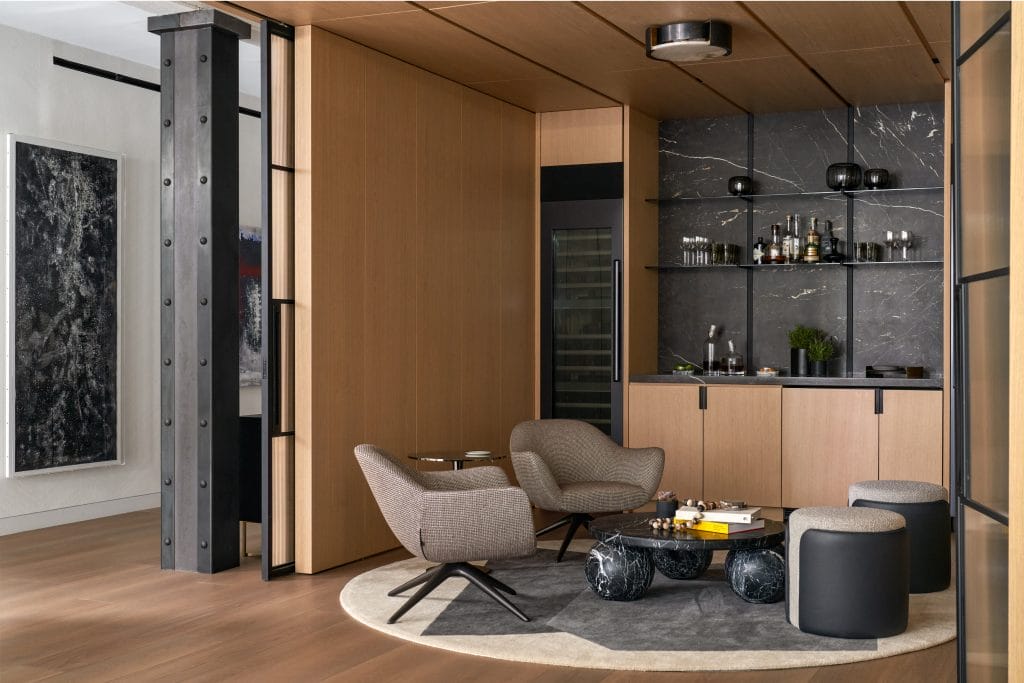
Decorating generally covers the visible surface of a room: paint, textiles, accessories, and arrangement. Personalized interior design starts earlier, with spatial planning and an analysis of how the room actually gets used over a full day. So, layout decisions and material choices come before surface-level styling.
It depends entirely on the scope. A single room through an online design service like Decorilla can reach a full plan within a few weeks. Custom whole-home interior design projects that involve layout changes, contractor coordination, and long-lead custom pieces tend to run three to six months.
Budget shapes the range of what’s possible, but the core principle works at any price point. Rearranging furniture around your actual use patterns costs nothing and often changes a room more than a new purchase would. Editing down to essentials is also free. And a couple of targeted additions can shift a space meaningfully at modest cost with online interior design.
Looking for truly personalized interior design?
Decorilla designers build every concept around how you actually live, not how a room is supposed to look. Book your Free Online Interior Design Consultation to start your project today.