

On our recent trip to Europe, we spent time in Madrid, Spain and then Lisbon, Portugal. I visited the former very briefly as a kid, but really don’t remember much (except the day trip to Toledo), so it was like visiting a new city in many ways. The capital city of Spain, the city is a major destination, full of lots of things to do and places to visit! Here’s a fairly cumulative list of what to do in Madrid, including the 2 most popular day trips (and which we think is actually worth it)!
What to do in Madrid
There is so much to do in Madrid, and yet it’s an easy city to simply wander. Jam-packed with art museums, parks, plazas, food halls, shopping, and views, there’s a little something for everyone. We did two day trips during our stay, wandered the highlights, and actually only ended up at one art museum, but there was certainly more to visit had my family had more interest!
What to Know About Visiting in Madrid
The Madrid-Barajas airport sits outside of town. You can take the Metro from T$ to the Nuevos Ministerios Metro stop and then transfer to another line as needed. The metro is cheap (see below), but this is certainly a bit of a schlep.
We took a taxi from the airport (and an uber back) with the four of us and our minimal luggage. Each of them cost just under €35 and got us into/out of the city in about 25-30 minutes (depending on traffic).
The Madrid Metro system is amazing! There are stops all over the city. You can buy a metro card and then get 10 trips on it. The card itself is €2.50 and then 10 trips was about €7. INEXPENSIVE! We got all around the city on the metro and loved it. I’ve tried to note the metro stop near each attraction below to help!
And the only other thing I want to share is that dinner time in Spain is on the late side – like it is in Italy. Most restaurants open at 7 or 730 (and that’s early bird eating).
If you’re planning a trip to Spain, be sure to check out my Spain packing list with outfit ideas!
Museums in Madrid
Spain is famous for a number of art museums – not just in Madrid, but Madrid is full of them. Here is a sampling of the museums in the city:
- Prado Museum – The most famous museum in the city and one of the most famous in the world, The Prado was originally opened in 1819 to house royal collections of art. Today it has masterpieces including Las Meninas by Diego Velázquez, The Garden of Earthly Delights by Bosch, and The 3rd of May 1808 by Francisco de Goya. it’s home to more than 8,000 paintings. Take the metro to the Estación del Arte. You can grab some nice coffee or spritzes and food nearby at El 17 de Moreto.
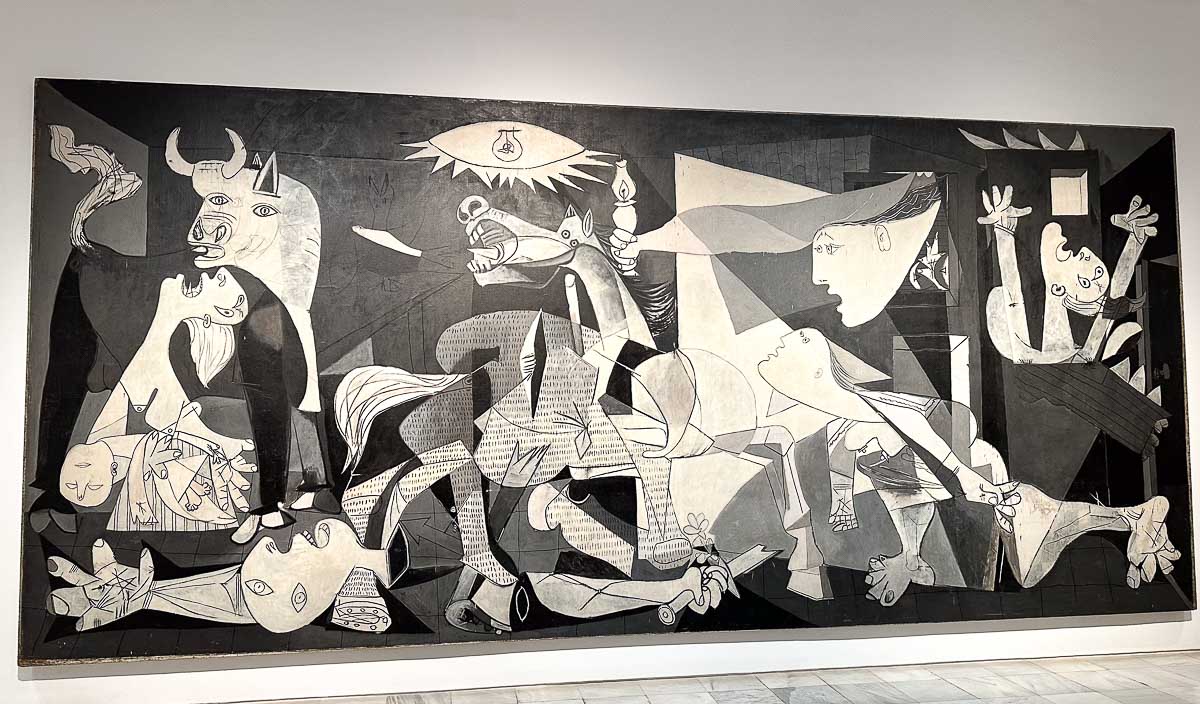
- Reina Sofía – The Reina Sofía is part of the Prado Museum but shows more contemporary art. This is the museum my husband picked for he and I and we both loved it. It features art by Picasso, Dalí, Man Ray, and Ponce de León.
What I found most interesting (well, two things), is the art during the Spanish Civil War (1936-1939). This war is sorely under-discussed in American history of the time period. It’s fascinating to see the art that came out of this tumultuous period between the world wars we know so well.
The second most interesting thing was a counterpart to the famous Guernica by Pablo Picasso (pictured above). He had someone photograph the various stages of the art from first conception to the final piece. Components very prevalent in the beginning phases are almost missing form the final piece. And if you’re able to really zoom in on the photo above, you can see where pencil drawings are present but because they aren’t colored in, aren’t easily seen by the naked eye!
Take the metro to the Estación del Arte.
- Thyssen-Bornemisza – The third component of the Prado Collection, the Thyssen-Bornemisza has a wide variety of European and American art from the 13th century to the 20th century, including works by Rembrandt, O’Keeffe, Cézanne, Monet, Pollock, Dalí, and more. Take the metro to the Estación del Arte.
- Cerralbo Museum – The Cerralbo Museum is set up as a home-museum tour as it was the home of the Marquess of Cerralbo in the late 19th century. The museum shows not just paintings but sculptures, ceramics, interior decor, coins, stamps, and archaeological pieces. Because it’s set up as a house, there are few signs, but there is a guidebook to go along with it. Get off at the plaza de España stop.
- Museum of Illusions – The Museum of Illusions is a bit different as it’s full of optical illusions – this is a fun one for all ages (especially those who aren’t ready to appreciate classic art)! Get off at the Tirso de Molina Metro stop.
Must See in Madrid
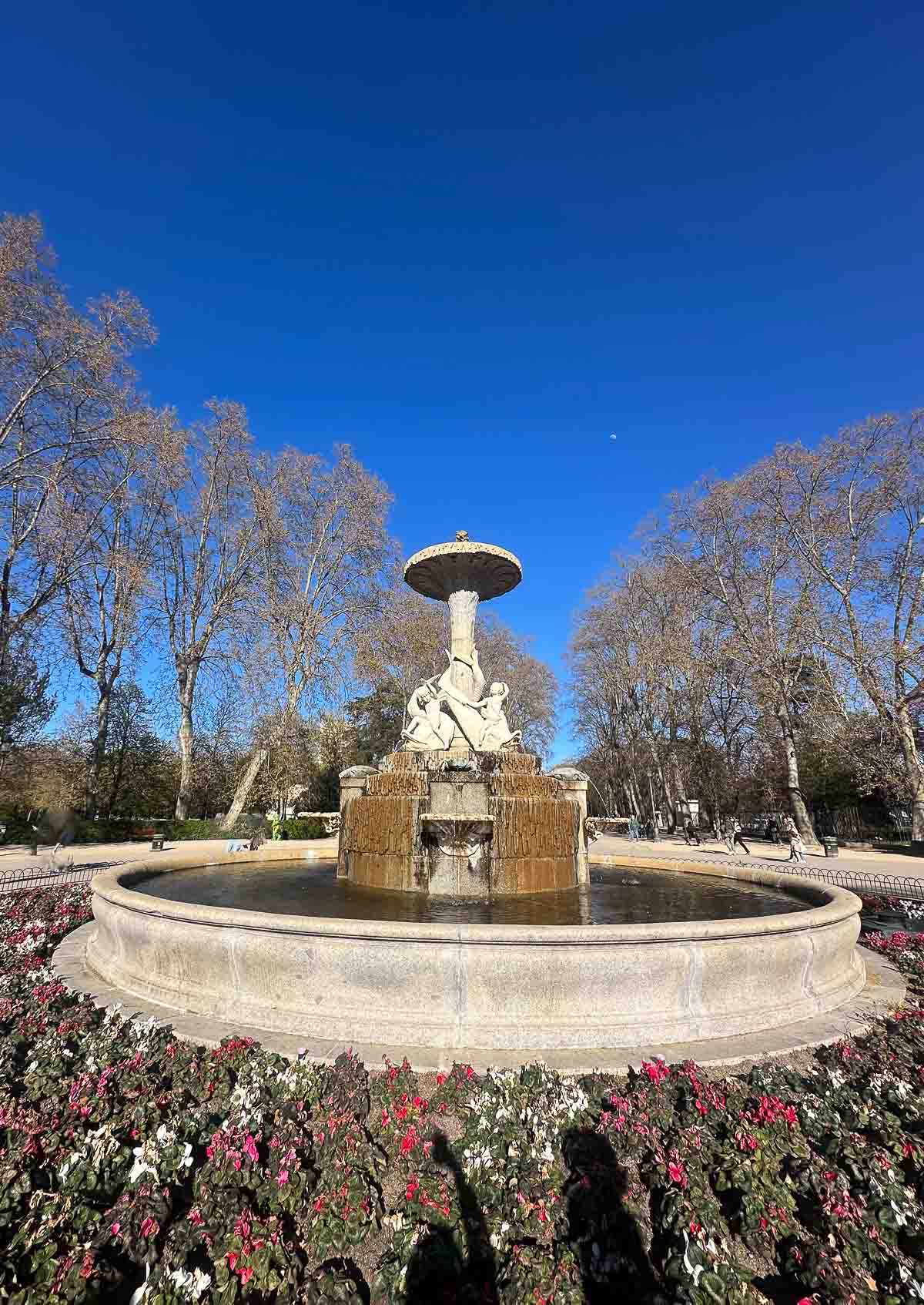
Besides the numerous museums, there are many places to visit, walking around, viewing, and eating!! First up is Parque de El Retiro (Retiro Park). The park is surrounded by metro stops ( Retiro, Ibiza, and Estación del Arte). The park has very wide walking paths, fountains, and the Estanque Grande del Retiro with a huge pond in front. You can easily walk through the park, enjoying benches, cafes, and the beauty. There is also a botanical garden on the west side.
The food halls! There are many food halls in Madrid, but the most famous is Mercado de San Miguel. Go for a small tapa or to try it all. There’s fresh seafood, olives, wines, desserts, and all sorts of flavors of of tortilla de patatas (the quintessential Spanish egg and potato dish).
Segovia Day Trip from Madrid
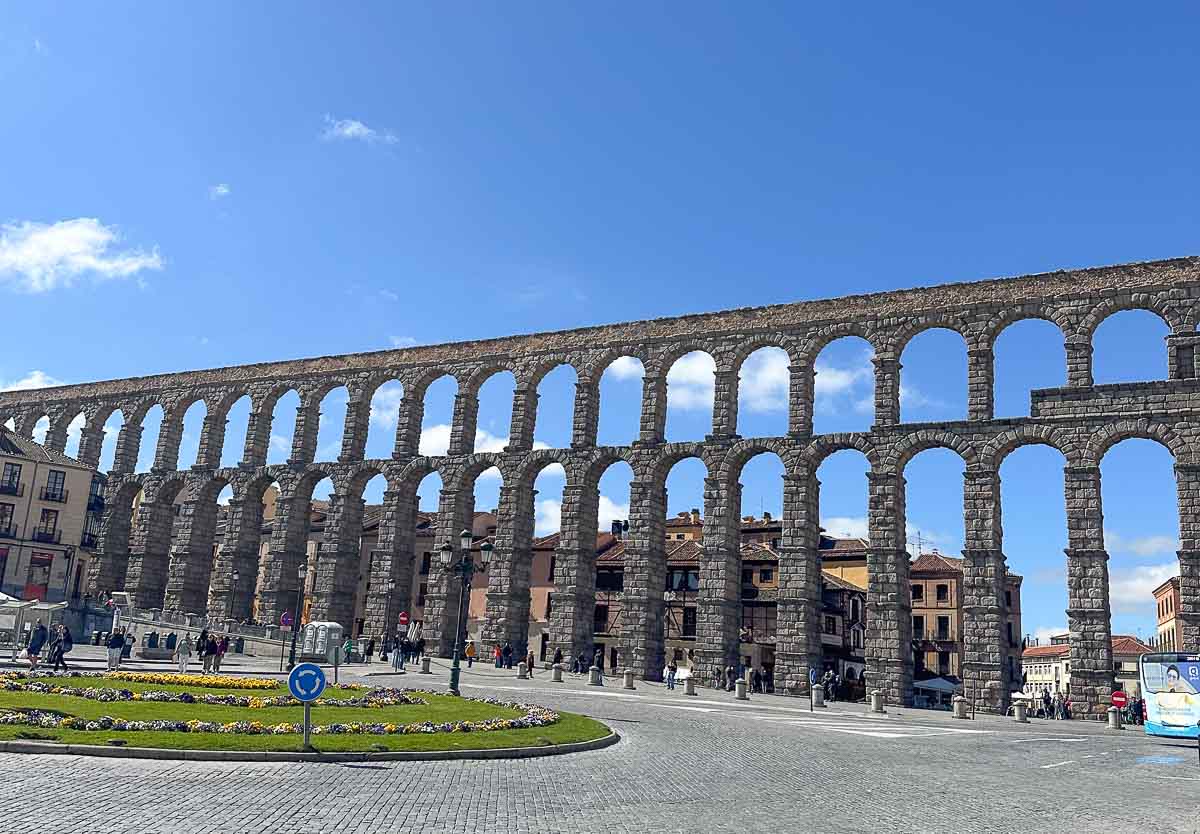
We loved our day trip to Segovia (and the Instagram reel is still going viral – weeks later!). If you only have time for one day trip, we all would recommend Segovia – it’s easy to get to, easy to see and visit, and not overwhelmingly touristy (at least not compared to everywhere else we went)!
Best Way to Get to Segovia from Madrid
There are multiple daily trains to Segovia (staion name: Sevoia Guiomar). You can buy your train tickets online ahead of time. You want the high speed train (just 30 minutes), not the extended one (2 hours) from the Chamartín station. The metro goes right to the train station, so just make sure to allow time for transit as it’s further out of downtown. It’s just a few minutes to walk between the stations.
I will share that there was a bus bridge for the metro to get out there that almost made us miss the train, so if you’re traveling soon – look for that. There is also a security check at trains stations in Madrid. You just have to put your bags/jackets through a machine – easy, just another step to add in.
Train platform numbers are announced about 10 minutes before departure – customary in Europe. They’ll scan your tickets before you’re allowed down on the platform – and then you won’t need to show them again once you board (customarily).
Once you get to Segovia, you’ll need to get transportation to the old town. We took a taxi – because there were 4 of us (€10-€12), but there weren’t many taxis there. Bus line 11 goes directly to the aquaduct and the old center. Bus 12 goes from the Train station to nearby the downtown area (a 7 minute walk to the aquaduct). Both buses leave maybe every 15 minutes or so.
We ended up taking a taxi back to the station, but only because there was a running race that we unintentionally got caught up in and the bus lines were diverted. We walked to try to get back on the mainline and ended up finding a taxi, which made it all easier. According to the internet, a bus trip to or from the train stations is €2!
What to do in Segovia
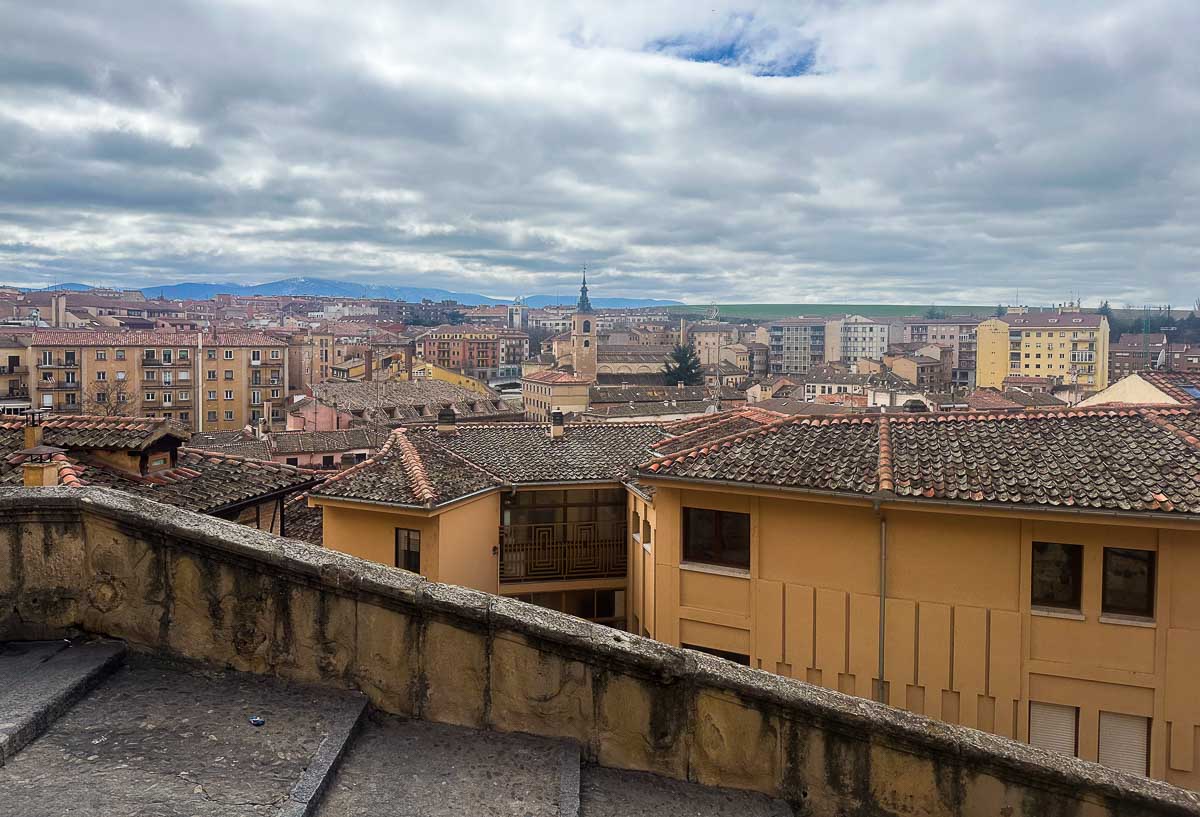
Segovia itself is a nice city, but the old part is smaller and confined to a single area, which means you can easily enjoy it in a day trip. We arrived about 1030 and left happily around 5, having seen what we went to see.
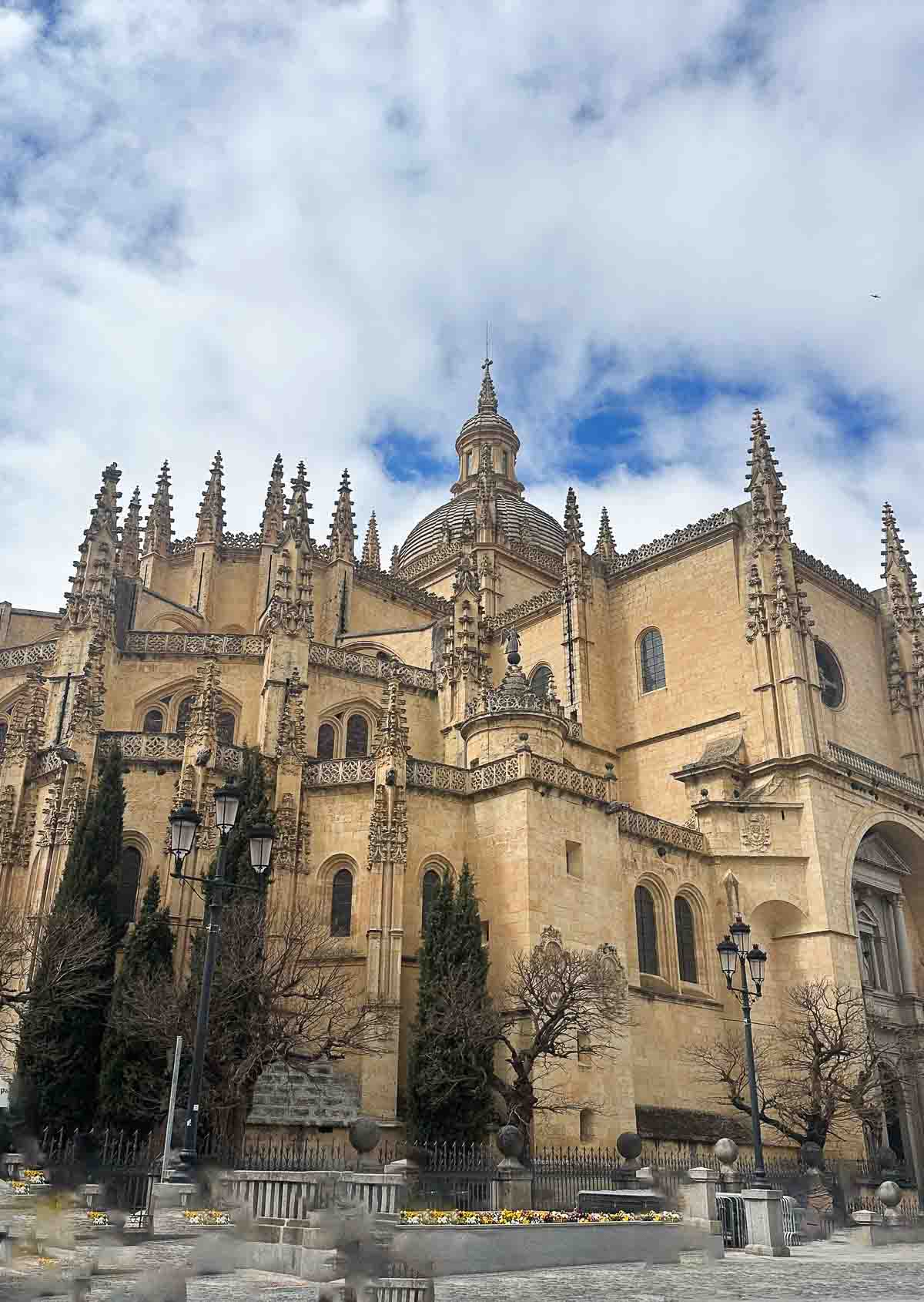
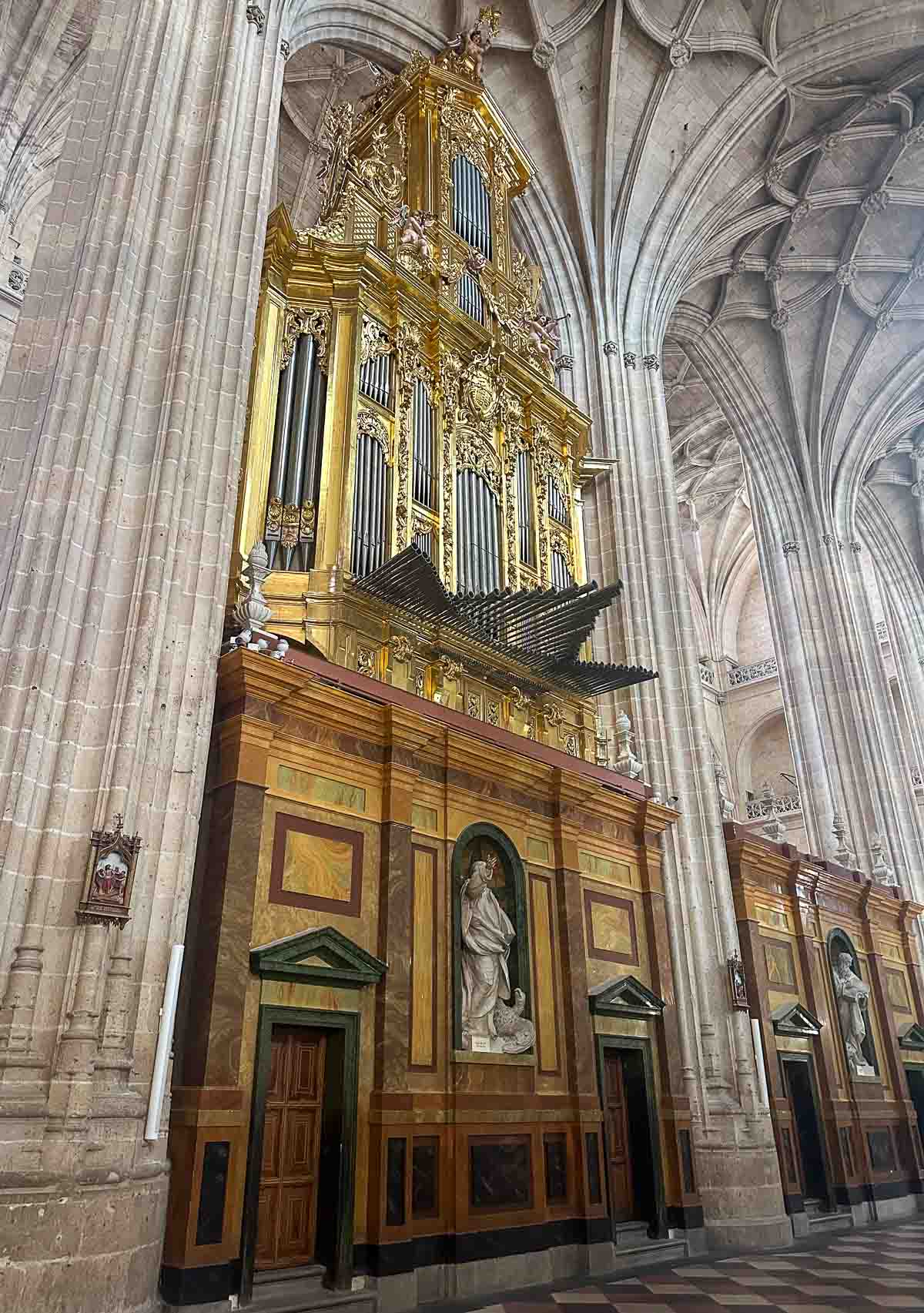
Once you reach Segovia, you’ll have walking to do. There is a flat area with a lot of restaurants and a bit of shopping, but all the destinations are up a decent hill. The main goal at the top of the hill is to visit the Catedral de Segovia! it sits atop the hill and is beautiful. We bought tickets right when we arrived, but you can buy them ahead of time on their website – probably a great idea for summer travel!
You can then walk down the hill (on the other side from which you came) to the Real Alcázar de Segovia – a medieval castle! My husband told me (I’m throwing him under the bus here) that this castle has been cited as inspiration for the Disney Castle! Our crew decided we didn’t want to visit a castle, but I think it would be fun (just maybe don’t head that way hungry like we did)!
There are lots of shops and places to eat as you walk up the hill! They do close early on Saturdays and a lot of them aren’t open on Sundays – just a heads up.
Toledo Day Trip from Madrid
Toledo is the other popular day trip from Madrid (moreso than Segovia actually). I visited Toledo when I was 8 or so and just remembered hills and narrow walkways. Let me tell you – those two things are the most characteristic of the city. It’s entirely on a hill with narrow pathways the band and curve up and down the town. If walking or hills are a problem for you, Toledo is not a good option.
Best Way to Get to Toledo from Madrid
Again, you’ll want to take the train to Toledo. Buy your tickets online ahead of time and, again, opt for the 30 minute train, not the 2 hour one. Our train to Toledo left from the Atocha train station, which is very centrally located. We actually walked from our flat, but you can take the metro to the Atocha stop as well.
When you arrive to the Toledo, you can walk up into the old town – about a 20 minute walk, but it’s an uphill walk, so this is for the energetic and spry! A taxi into the center (Plaza de Zocodover) is about €6. You can also take the bus (lines L61 or L62) to the same spot. Both of these buses come about every 15 minutes.
What to do in Toledo
The primary attraction in Toledo is the Santa Iglesia Catedral Primada de Santa María – located in the heart of old town. You can buy tickets online or across the alley from the entrance (on the south side of the Cathedral).
The other popular spot is the Alcazar de Toledo – a fortress at the top of the hill. It’s a large artillery and army museum.
We wandered the Jewish Quarter, aiming for the Sinagoga de Santa María La Blanca. It’s just €4 for adults, so it’s inexpensive. The synagogue is a beautiful building with an interesting history. Formerly the major Synagogue of the area, it’s an icon of Sephardic history. After a major fire in 1250, it was rebuilt. Then in the 15th century, it was converted to a church with a number of Renaissance features – chapels and vaults! In the 19th century, it was used as a barracks and declared a national monument.
I’m telling you all this because none of this is written in the synagogue itself. All you see is the beautiful architecture inside, but there’s basically no signage. I’m bummed to tell you that because it’s a beautiful place with an interesting history, but I had to google the building once I was inside to get any sort of history on it.
The famous Mirador del Valle – the famous lookout point – is actually on the other side of the Tagus River which flows around Toledo. TO get there, you can walk, bike, or take a taxi from the train station as there aren’t any bridges across the river in that area. Instead, we talked down to Carreras San Sebastian (Frente Iglesia) to get a view of the river – I think you could go down any street toward the river and be fine, however.
There are a number of restaurants around town. We had lunch with local food at La Nuestro Taperia & Restaurante. It was fun to try some of the local dishes alongside the other Spanish ones we’d been loving.
Best Shopping Madrid
Everybody wants different kinds of shopping. Here are the two most popular shopping areas and then a third we had to search out because it’s more what we were looking for. To each their own!
Gran Via
Gran Via is a big long street of shopping. Think stores like ZARA, UNIQLO, and Calzedonia. This is a wide street and it’s centrally located. There are also plenty of side streets with shopping as well – all of the same ilk (some small, local spots – not many). You can get there via the Gran Via or Callao stops!
Barrio de Salamanca
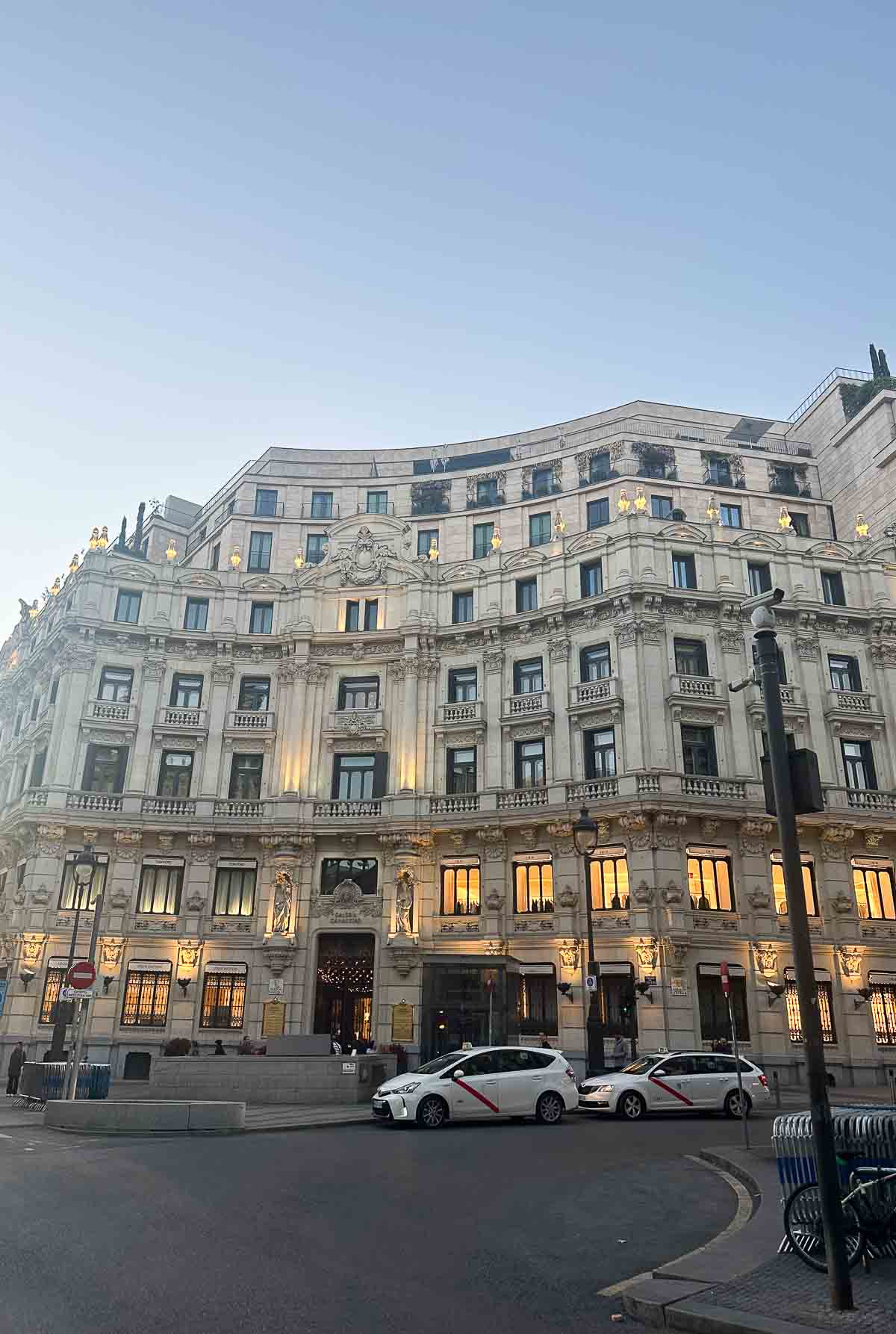
If you’re looking for designer shopping, then Barrio de Salamanca is your spot. Shops here include Louis Vuitton, Fendi, MiuMiu, etc. There are a number of metro stops around this area, including: Nuñez de Balboz, Rubén Darío, Colón, and Velázquez.
Chueca
My husband and I prefer to shop for clothes and fun things at smaller stores – not necessarily small and local, but regional at least – not global. After some wandering and researching, we found Chueca, which felt like the trendy spot of Madrid – for locals! The streets are smaller but the quality is great. It’s not entirely Spanish stores, but there were more available and more our style. There’s also some tasty, trendy restaurants in the area, so we spent a good chunk of time there! Get off at the Chueca Metro stop.

Restaurants in Madrid
In such a big city, I’d have to live their part-time to pretend I can tell you the best places to eat in Madrid. Instead, here is a list of some places we tried and really enjoyed!
- Caravan Cafe – a cute coffee shop with yummy toasts and baked goodies. Near the Lavapiés and Antón Martín metro stations.
- Roostiq Bar – a trendy spot in the Chuecas area with tasty food and drinks. This is the second, more casual spot for Roostiq – the restaurant – not far away. Reservations probably a good idea.Near the Chueca metro station. not far from the Colón station.
- La Cabaña Argentino – a comfortable but upscale Argentinian restaurant with a delectable beef offering (among other things)! Reservations recommended. Between the Sevilla and Antón Martín metro stations.
- Taberna El Sur – a delicious bar-restaurant for Spanish food. We loved the shrimp in oil, the tortilla de patata, and the grilled steak. Not far from the Antón Martín metro station.
- Rosi La Loca – this is a quirky one but a fun experience. My husband found this one and I was shocked when we walked in. It has bright pink, funky decor. Dishes and cocktails are served in elaborate (over the top) themed dishes. Reservations absolutely recommended. Very close to the Sol Metro station.
Madrid 2 Day Itinerary
The itineraries below are suggestions for each day and in a suggested order, but they’re very interchangeable. The only ‘firm’ thing I would recommend is that if you only plan to do one day trip – go to Segovia over Toledo. It isn’t as popular, but I (and others) think it’s far more enjoyable!
Day 1 – Walk Around Madrid
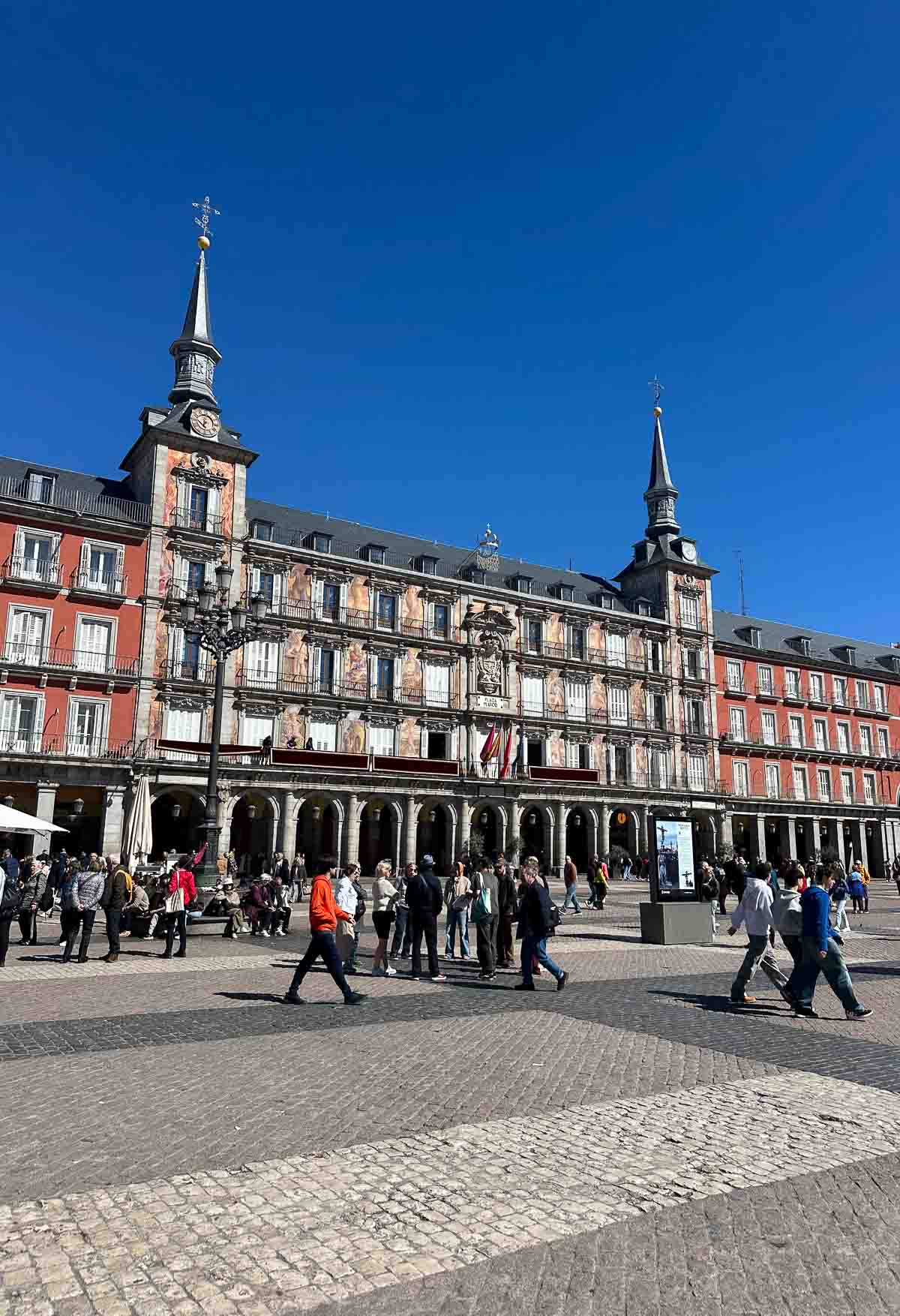
If you’re just coming in from an internationally flight, that first day is always the best to wander around and get your bearing and absorb the vibe. Spots to include on this first day include Retiro Park, Mercado de San Miguel, Plaza Mayor, Gran Via, and Canalejas.
Day 2 – Take in the Arts
The museums are such an integral part of Madrid that I recommend you visit at least one museum during your stay. We visited Reina Sofía and really enjoyed it, but you pick what would work best for you. Then maybe find a shopping area. Chueca was a lovely area for the buildings, the shops, the food, and the less-touristy vibe!
Madrid 3 Day Itinerary
Day 3 – Day Trip to Segovia
I shared all the tips above for a day trip to Segovia. And now you know that I think it’s the one day trip to do!
Madrid 4 Day Itinerary
Day 4 – Explore Madrid More
This is a good day to see another museum, visit another food hall, maybe wander through the Paseo del Prado – the center park in the busy, art-focused area of the city. Finish off with.
Madrid 5 Day Itinerary
Day 5 – Day Trip to Toledo (or other destination)
See the section above about visiting Toledo. There are a number of other destinations though many shared with us that Segovia and Toledo were the two most preferred.